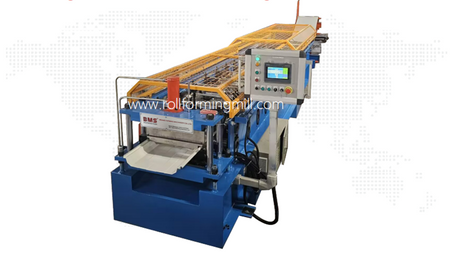
Before commissioning, plan roll tooling maintenance around clean tooling surfaces, gentle cleaning that preserves roll contours, and cleaning only under safe stopped/changeover conditions. Where cleaning, setup, adjustment, inspection, lubrication, unjamming, or tool changes expose workers to hazardous energy, include a formal energy-control boundary, not just a production checklist.
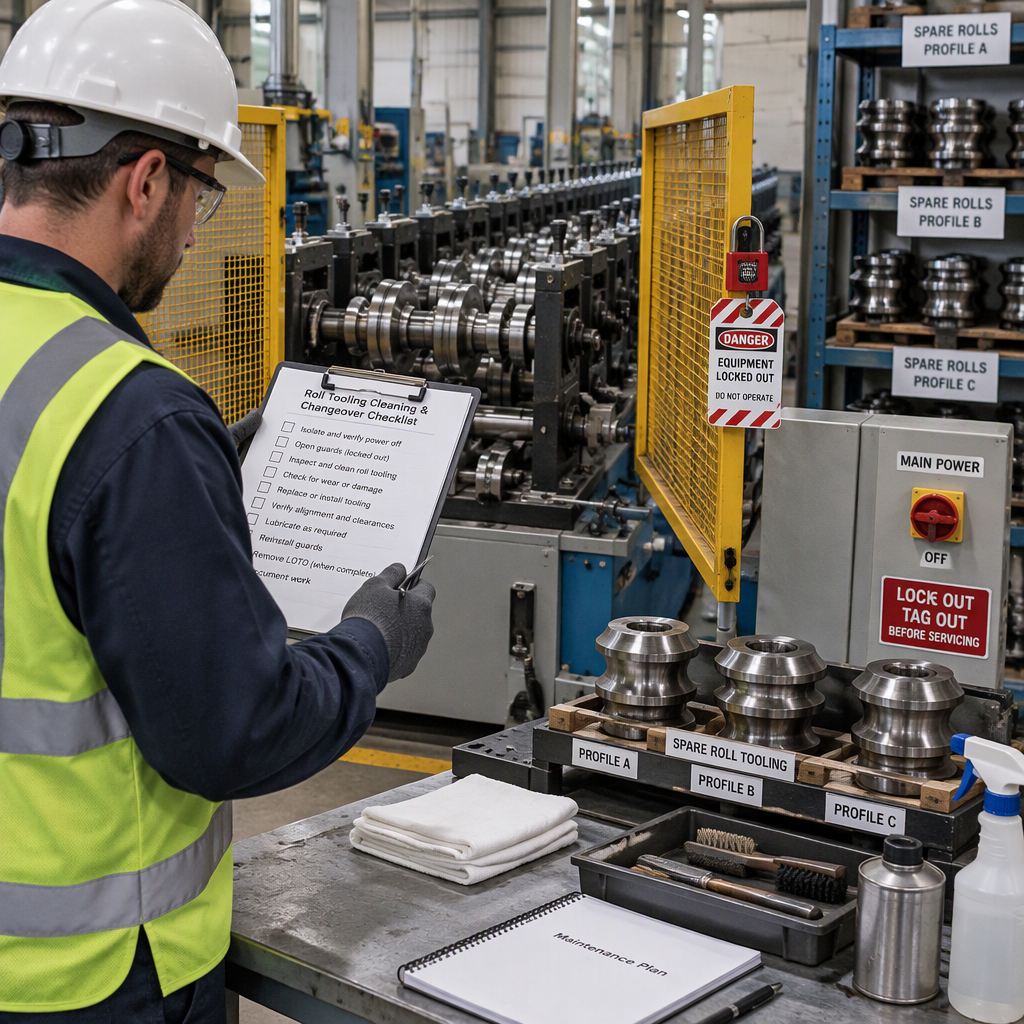
Define the maintenance scope before commissioning
For buyers of metal sheet cold roll forming equipment such as the categories presented by BMS Machinery, the maintenance scope should be agreed before acceptance, not improvised after the first tooling issue.
| Maintenance area | What to define before commissioning | Why it matters |
|---|---|---|
| Tooling cleanliness | How grease, oil, dirt, and other contaminants will be removed from roll tooling and mill contact areas. | Contaminants left on tooling can make maintenance harder and should be controlled as part of tooling care. |
| Cleaning method | Which tools and materials are permitted for routine cleaning and which abrasives are prohibited. | Aggressive polishing or abrasive cleaning can scratch tooling or alter the roll contour. |
| Manual access | When personnel may access tooling for setup, adjustment, inspection, lubrication, cleaning, unjamming, or tool changes. | These tasks can fall within hazardous-energy control when unexpected startup or stored energy could injure workers. |
| Records | What training, lockout/tagout, and maintenance records the site will keep for machine servicing tasks. | NIOSH recommends hazardous-energy control programs with lockout/tagout procedures and worker training. |
- List the normal contaminants expected around the roll tooling, such as excess grease, oil, dirt, and process debris.
- Define the cleaning materials that will not change tooling geometry or scratch finished surfaces.
- Define when the line must be switched off and disconnected from its relevant power source before any manual access to tooling.
- Assign who trains workers on hazardous-energy procedures before they participate in maintenance or changeover work.
Set the safety boundary for cleaning, setup, and tool changes
Before workers manually access roll tooling for cleaning, setup, adjustment, inspection, lubrication, unjamming, or tool changes, require the machine to be switched off and disconnected or isolated from the applicable power source whenever hazardous energy exposure may exist.
For U.S. operations, 29 CFR 1910.147 on control of hazardous energy covers servicing and maintenance where unexpected energization, startup, or release of stored energy could injure employees, and it includes activities such as setting up, adjusting, inspecting, lubricating, cleaning, unjamming, and changing tools.
NIOSH also warns that workers can be severely injured or killed during machine maintenance and servicing when proper lockout and tagout procedures are not followed.
For sites outside the United States, map the same boundary to the current local legal requirements, the equipment manual, and the plant safety procedure before commissioning.
A buyer-side commissioning plan should therefore include an energy-control program, written procedures, training responsibilities, and periodic inspection responsibilities where hazardous energy exposure applies.
The NIOSH machine maintenance guidance supports treating lockout/tagout and worker training as program-level requirements, not informal reminders.
Plan cleaning and changeover methods that do not damage tooling
Plan roll tooling cleaning around removal of excess grease, oil, dirt, and other substances while avoiding cleaning methods that alter the roll contour or damage the tooling surface.
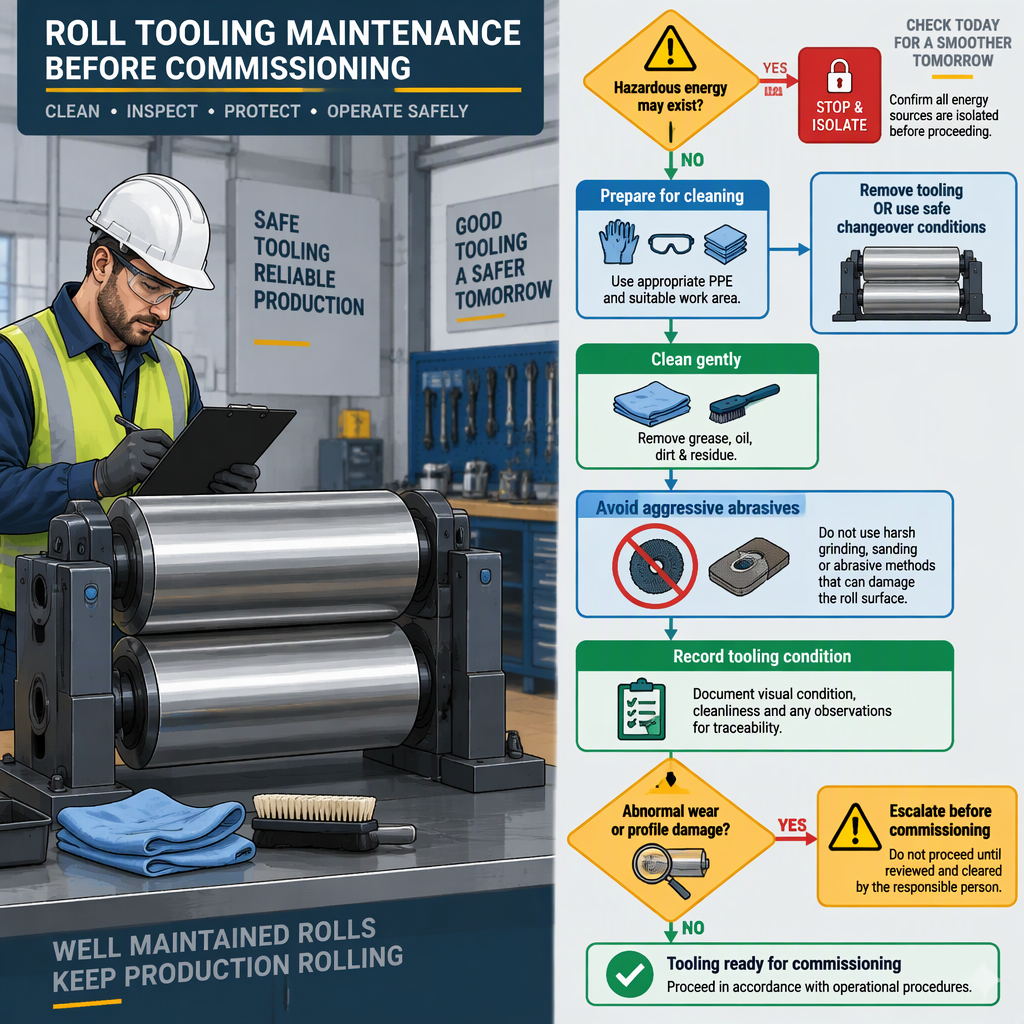
- Stop and isolate first. Before manual tooling access, switch off the machine, disconnect or isolate the relevant power source, control stored energy as required, and follow the model manual’s permitted access points.
- Clean during removal or changeover. Do not plan manual cleaning while the mill is running; schedule cleaning for safe stopped conditions, removal, or changeover.
- Remove contaminants gently. Target excess grease, oil, dirt, and process residue without changing the roll profile.
- Avoid aggressive abrasives. Treat polishing as a controlled maintenance action because aggressive materials can scratch tooling or change the roll contour.
- Record and train. Keep the cleaning boundary, worker training, and lockout/tagout responsibilities in the maintenance program.
Do
- Keep tooling and mill areas free of excess grease, oil, dirt, and other substances.
- Plan tool changes and manual cleaning as controlled servicing or maintenance tasks when hazardous energy exposure exists.
Avoid
- Do not clean tooling while the mill is running.
- Do not use aggressive abrasive methods that can scratch tooling or change roll contours.
If a cleaning method may affect the profile surface, the safer commissioning choice is to require written supplier approval or a documented alternative before production acceptance.
Keep applicability boundaries clear for BMS and buyer specifications
BMS Machinery can be discussed here as a roll forming machinery site context, but project-specific maintenance intervals, tooling tolerances, service deliverables, certifications, and acceptance criteria should be taken from the purchase contract, official manual, and commissioning documents.
Do not let a general roll tooling maintenance checklist replace the machine-specific manual. Before acceptance, ask for the current documents that apply to the ordered line, installed tooling set, production material, and plant safety rules.
- Use the supplier’s identity and equipment category only where the first-party documentation supports it.
- Put any promised maintenance service, spare tooling package, inspection interval, operator training scope, or warranty condition in the contract or acceptance record.
- Require the official manual to identify permitted access points, guarding conditions, cleaning restrictions, and lubrication responsibilities for the installed machine.
- Do not accept verbal tooling-life or profile-stability expectations without measurable acceptance criteria and responsibility for follow-up inspection.
Agree documentation and ownership before the first production run
A useful commissioning package assigns who writes procedures, who trains workers, who authorizes manual access, and who records maintenance conditions before production starts.
- Written energy-control procedure for tooling cleaning, setup, adjustment, inspection, lubrication, unjamming, and tool changes where hazardous energy exposure exists.
- Worker training record for lockout/tagout and machine maintenance responsibilities.
- Cleaning method sheet that names permitted tools, prohibited abrasive methods, and the condition in which cleaning is allowed.
- Tooling condition log for profile-contact surfaces, abnormal wear, visible damage, and escalation actions.
- Acceptance sign-off showing who owns routine care after commissioning and who handles unresolved tooling or safety questions.
| Responsibility | Buyer should confirm | Acceptance evidence |
|---|---|---|
| Safety manager | Hazardous-energy boundary and local lockout/tagout procedure. | Approved site procedure and training record. |
| Process engineer | Cleaning method that protects roll contours and tooling surfaces. | Cleaning sheet and first changeover observation. |
| Procurement | Contractual responsibility for manuals, spare parts, training, and support. | Purchase documents and commissioning punch list. |
Supplier questions to ask before acceptance
Ask questions that convert roll tooling maintenance from a vague after-sales topic into written operating, safety, and acceptance requirements.
- Which contaminants should operators remove from the tooling and mill area during routine care?
- Which cleaning materials are approved, and which abrasive methods are prohibited because they may damage the roll surface or contour?
- Under what stopped, removed, or changeover condition may tooling be cleaned?
- Which tasks require the line to be switched off and disconnected or isolated from power before manual access?
- Who trains workers on lockout/tagout and machine-maintenance hazards before the first production run?
- Which maintenance tasks are the buyer’s responsibility, which are supplier-supported, and which require written supplier approval?
- What documents must be delivered before acceptance: manual, tooling drawings, cleaning restrictions, spare parts list, safety procedure interface, and sign-off form?
Conclusion
Roll tooling maintenance planning should protect tooling surfaces and contours while keeping manual cleaning out of running-mill conditions.
- Treat cleaning, setup, adjustment, inspection, lubrication, unjamming, and tool changes as safety-planned tasks when hazardous energy may be present.
- Require training and program ownership before production begins.
- Use the commissioning stage to turn supplier answers into written procedures, acceptance records, and responsibilities.
FAQs about roll tooling maintenance before commissioning
These buyer questions help procurement and engineering teams close common maintenance gaps before a roll forming line enters production.
Is this article legal advice for every country where roll forming machines are used?
No. The U.S. hazardous-energy rule is a useful regulatory example for maintenance planning, but global buyers should confirm the current local legal requirements and plant safety rules that apply to their site.
What should operators avoid when polishing roll tooling?
Operators should avoid aggressive abrasives or polishing methods that can scratch tooling surfaces or change the roll contour.
Can roll tooling be cleaned while the mill is running?
No. Plan manual cleaning for safe stopped conditions, removal, or changeover, not while the mill is running.
What is the first safety step before manual tooling access?
Switch off the machine and disconnect or isolate the applicable power source before manual access whenever hazardous energy exposure may exist, then follow the approved energy-control procedure and the model manual.
Should procurement accept a fixed maintenance interval without the manual?
No. Maintenance intervals and inspection limits should come from the official manual, contract, installed tooling configuration, production material, and site operating conditions.
What records should be ready before the first production run?
At minimum, prepare worker training records, lockout/tagout responsibilities, maintenance procedures, cleaning restrictions, tooling condition logs, and acceptance sign-off records.
How should buyers handle supplier maintenance promises?
Put any promised service scope, spare tooling support, training, warranty condition, or acceptance criterion into the purchase contract or commissioning record before production acceptance.