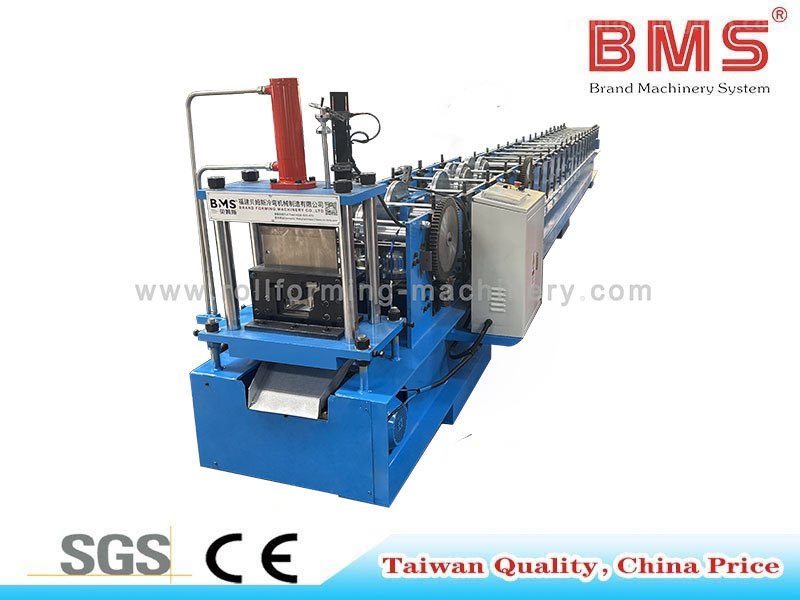
You must always think about safety first when learning how to operate a roll forming machine. These machines can shape metal with a lot of force, so you need to follow strict safety rules every time. BMS Machinery provides you with reliable and advanced roll forming machines that make your work easier and safer. You should pay attention to every detail and never skip safety checks. If you want to use a roll forming machine, you must follow the right steps for operation. Roll forming machines require your focus and care, which helps you avoid accidents and keeps your workplace safe. Additionally, roll forming machines will last longer and work better if you use them with respect. They help you create strong products, so you must always remember how important safety is while operating them.
Key Takeaways
Pre-Operation Steps for Roll Forming Machines
Visual Inspection and Safety Checks
You need to check your roll forming machines before each shift. Look to see if any tools are left on the rollers. Make sure all safety guards are in the right place. Check around the machine for things that could be dangerous, like loose tools or oil spills. Always wear safety glasses, gloves that protect from cuts, steel-toe boots, and hearing protection. These steps help stop accidents and keep your work area safe.
Tip: Have another trained person with you when you use roll forming machines. This helps you get help fast if something goes wrong.
BMS Machinery makes roll forming machines with safety in mind. You will see emergency stops, lockable disconnects, and clear safety labels on every machine. Check these safety features before you start to make sure they work.
Here is a table that shows common safety problems before starting:
Common Pre-Operation Safety Violations | Description |
Exposed chain drives | Moving parts can hurt you. |
Open roll stand nip points | You could get trapped in the machine. |
No emergency stop near shear | You cannot stop the machine quickly in an emergency. |
No lockable disconnect | It is not safe to do maintenance. |
Electrical panel door missing | You could get shocked by electricity. |
Shear blade exposed | You could get cut or hurt. |
Punch accessible during cycle | Moving parts can cause injury. |
Guards removable without tools | People can take off safety parts too easily. |
No safety labels | There are no warnings or instructions. |
Reviewing Manuals and Safety Protocols
You must read the machine manual before you use roll forming machines. The manual tells you important safety rules and how to use the machine. Follow the instructions from the manufacturer to get the machine ready. Check for damage and make sure all controls work.
Read the manual for safety rules.
Follow the manufacturer’s instructions.
Check all controls and emergency stops.
Make sure all guards are secure.
BMS Machinery gives you clear manuals and safety labels to help you understand each step. When you follow these steps before starting, you keep yourself and others safe. You also help your roll forming machines last longer and work better.
Material Setup and Loading
Selecting and Inspecting Metal Coils
You need to pick the right metal coil before you start. BMS Machinery’s roll forming machines can use many metals, like galvanized steel and aluminum. You should look at each coil for damage, rust, or rough edges. Check the label for thickness and coating. Make sure the coil follows world rules for quality and safety.
Here is a table that shows the recommended specifications for metal coils:
Specification Type | Details |
Governing Standards | EN 10346 for Europe, ASTM A1003 for North America |
Mandatory Items | Quantity, product type, dimensions, steel name/number, coating designation, coating finish, surface quality |
Recommended Coating | Z275 coating, normal spangle finish (N), surface quality B or C |
Material Thickness | 0.55 mm, 0.75 mm, 0.95 mm, 1.15 mm |
Surface Treatment | Chemical passivation (C) |
Test Certificate | Mandatory — specify inspection document type required |
Tip: Always ask for a test certificate. This shows the coil is safe and good quality.
Loading Material onto the Uncoiler
You must use safe steps when you put the coil on the uncoiler. BMS Machinery makes machines that are easy and safe to load. Use lifting tools or cranes to move heavy coils. Make sure the coil sits straight on the uncoiler. Line up the coil so the edge goes into the machine smoothly.
If you do not load the coil right, you can have problems:
The material can slip, which makes the shape wrong.
Tools can wear out, causing bad shapes and more stops.
Machine parts can get out of line and make mistakes in the product.
You need to check the coil is lined up before you start. This helps stop accidents and keeps your roll forming machine working well. Always follow the steps for loading and setup to keep everyone safe. BMS Machinery’s machines help you stay safe with clear guides and simple controls.
How to Operate a Roll Forming Machine: Threading and Alignment
Threading Material Through Rollers
You need to follow easy steps when you use a roll forming machine. First, make sure the machine is turned off. Check that all safety features are working. Put on your safety gear before you start. Place the metal coil at the starting point. Use the guides to help feed the metal into the first rollers. Move slowly and keep your hands away from moving parts.
BMS Machinery makes machines with features that help you thread material. You will see align reels and entry guides. These help you put the coil in the right place. The control panel has a simple touchscreen. You can follow the steps on the screen. If you want to check your work, run a short test piece through the rollers. This lets you find problems before you start the main job.
Here is a table showing some user-friendly design features from BMS Machinery:
Feature | Description |
Align Reel & Guides | Position the coil reel squarely and set entry guides to match coil width for proper feeding. |
Run a Test Piece | Confirm straightness and alignment by feeding a short length of the actual coil. |
Check Run-Out Supports | Ensure stands are aligned and at the same height as the exit point for smooth operation. |
Control Panel | Features a simplified touchscreen interface that is user-friendly and durable in various weather conditions. |
Automatic and Manual Modes | Allows switching between modes for different jobs, enhancing versatility. |
USB Port | Enables loading or saving cutlists for faster setup, improving efficiency. |
Troubleshooting Guides | Provides quick solutions to problems, enhancing usability and reducing downtime. |
Always check that all safety features work before you begin. Emergency stops and guards keep you safe from accidents. If you see warning labels, read them and do what they say. These safety features help stop injuries and keep the machine working well.
Ensuring Proper Alignment
Good alignment is very important when you use a roll forming machine. If you skip this step, you can break the machine or make bad products. Start by checking that the metal sits flat and straight as it goes into the rollers. Use the entry guides to keep the coil in the center. Adjust both sides the same way. Do not tighten just one side or you might twist the metal.
You need to watch several tolerances during alignment:
Dimensional tolerances control how wide, tall, and long the part is.
Angular tolerances set how much the bends or angles can change.
Straightness and flatness keep the shape even along the part.
Hole and slot tolerances make sure holes line up for bolts or assembly.
Edge and surface tolerances make sure the surface is smooth and even.
If you want to stop common mistakes, look out for these problems:
Only adjusting one side
Not checking for twist
Tightening one bolt too much
Not checking after grout dries
Forgetting to lock the adjustment nut
Bolts that are not tight
Putting the blade in wrong
Machine shaking
Worn parts in the cutoff area
After you finish alignment, run a short test piece. Check if it is straight and the right shape. If you see a problem, stop the machine and fix the guides or rollers. Always use safety features before you make changes. This keeps you safe and protects the machine.
BMS Machinery makes it easy to align the machine. The guides and supports move smoothly. The touchscreen gives you steps to follow. Troubleshooting guides help you fix problems fast. These features help you use a roll forming machine safely and with confidence.
Tip: Always check alignment again before you start making lots of parts. Good alignment gives you better products and fewer stops.
Now you know the steps for threading and alignment. When you use all safety features and follow the right steps, you keep yourself and your machine safe. This is the best way to learn how to use a roll forming machine and get good results every time.
Setup and Operation Parameters
Adjusting Speed and Profile Settings
You need to set the right speed before you start. Pick the correct profile for your job. These steps help you get good results from your roll forming machine. If you use wrong settings, you might hurt the material or cause safety issues. Always check the control panel for the right speed. Use the touchscreen to choose the profile you want. BMS Machinery gives you easy controls for setup and operation. You can use CNC to change settings fast. CNC lets you switch profiles without wasting time. CAD/CAM shows the profile on the screen before you begin. This helps you spot problems early and keeps things safe.
PLCs help all parts of the machine work together. PLCs make sure rollers, cutters, and feeders move at the same time. This keeps your product straight and your work safe. Always check your setup before you start the main run. If you need to change the profile, use quick-change features on BMS Machinery’s machines. These features save time and keep your work smooth.
Tip: Always check your speed and profile settings before each job. This step helps you avoid mistakes and keeps your workplace safe.
Activating Lubrication Systems
Lubrication is important for safe and smooth machine operation. You must check the lubrication system before every setup. Good lubrication keeps rollers and moving parts working well. It also stops heat from building up, which can cause safety risks. On BMS Machinery’s machines, you can turn on the lubrication system from the control panel. Make sure oil or grease levels are full. Watch for warning lights or alerts on the screen.
Follow these steps for proper lubrication setup:
Check the oil or grease level.
Turn on the lubrication system.
Watch for leaks or blockages.
Make sure the system works before starting.
A well-lubricated machine runs better and lasts longer. This keeps your work safe and your products high quality. Always include lubrication in your setup and operation checklist.
Setup Step | Why It Matters |
Adjust speed and profile | Makes sure quality and safety |
Activate lubrication | Stops wear and overheating |
Use control systems | Keeps work steady |
When you follow these setup and operation steps, you protect yourself and your machine. BMS Machinery’s advanced systems make every job safer and more efficient.
Test Run and Quality Check
Running a Test Cycle
You must always run a test cycle before starting full production. This step helps you check if your roll forming machine is ready and if your setup is correct. Start by making sure you have followed all safety rules. Wear your protective gear and check that all guards are in place. Turn on the machine and feed a short piece of material through the rollers. Watch the process closely. Listen for strange noises and look for any signs of trouble. If you see anything wrong, stop the machine right away. Following these steps keeps you safe and helps you avoid bigger problems later.
BMS Machinery uses advanced technology and strict quality control to make sure every machine works well during test runs. Each machine goes through careful calibration and alignment checks before it leaves the factory. This attention to detail means you can trust your machine to deliver precise results every time you run a test cycle.
Tip: Always keep a checklist of safety rules and setup steps nearby. This helps you remember what to check before each test run.
Inspecting Output for Accuracy
After you finish the test cycle, take the sample piece and inspect it. Check the dimensions with a ruler or caliper. Make sure the bends and angles match your project needs. Look for cracks, rough edges, or surface marks. If you find any problems, review your setup and make adjustments. Always follow safety rules when making changes to the machine.
Use this simple checklist to inspect your output:
Measure width, height, and length.
Check for straightness and flatness.
Inspect holes and slots for correct placement.
Look at the surface for smoothness.
If the sample meets your standards, you can start full production. If not, repeat the setup and test cycle steps until you get the right result. This process keeps your products high quality and your workplace safe. BMS Machinery’s machines help you follow safety rules and achieve reliable results every time.
Operate a Roll Forming Machine in Automatic Mode
Switching to Automatic Operation
You can use automatic mode to make your work faster. First, check all safety features on the machine. Make sure guards and emergency stops work right. Put on your safety gear before you start. Set the machine to automatic mode with the control panel. Follow the steps shown on the screen. The instructions are clear and help you not make mistakes.
BMS Machinery gives you smart controls and software. These tools make the roll forming machine easier to use. You can manage time, supplies, and money with the Production Management Maximization system. Even if you are new, you can use the machine without trouble. The table below shows some automation features you will find:
Feature | Description |
Production Management Maximization™ | Lets you control production and work better with smart controls and software. |
Increased Performance | Makes old machines work like new, so even beginners can use them easily. |
Complete Control | Lets you manage time, supplies, and money, which lowers mistakes and gives better results. |
Automation means you do not need to do as much by hand. This saves money and helps you get better results. The machine checks for problems while it works, so safety stays high.
Monitoring Production and Output
You must watch the machine while it runs. Watching the operation helps you find problems early. BMS Machinery uses sensors and AI to keep quality high. The machine checks each part as it comes out. If there is a problem, you will see a warning on the screen.
Here are some common issues you might see:
Coil temperature changes can stretch or shrink the metal.
Slipping during feeding can make parts the wrong size.
Encoder errors can make parts not fit together.
Check the output often. Look for straightness, length, and surface quality. If you see a problem, stop the machine and fix it. Always follow safety rules when you make changes. Good watching keeps your products high quality and your workplace safe.
Tip: Stay close to the control panel during automatic runs. This helps you act fast if you see a warning or hear a strange sound.
You can use a roll forming machine in automatic mode with confidence. Use the smart features from BMS Machinery and always think about safety.
Shutdown and Maintenance
Safe Shutdown Procedures
You need to follow the right steps to turn off your roll forming machine. This keeps your machine safe and helps protect people. First, turn off the main power. Make sure all guards are covering moving parts. Use this checklist to help you:
Plan your maintenance before you start. This makes work safer and faster.
Make sure skilled workers are ready for the job.
Gather all tools and materials you will need.
Check if your vendors can give extra help.
Collect drawings and reference papers for your machine.
Meet with your team to talk about the shutdown plan.
Find important items that could slow down restarting.
Watch repairs closely to keep downtime short.
Make sure all groups work together for a smooth shutdown.
Always check that guards cover moving parts before you leave. Never take off guards during shutdown. Guards keep you safe from sharp edges and rollers. BMS Machinery gives support and clear guides for shutdowns. You can contact their team if you need help.
Tip: Always lock out the power and test the emergency stop before cleaning or repairs.
Cleaning and Routine Maintenance
Cleaning and maintenance help your roll forming machine work well and stop accidents. Check all guards every day to make sure they are secure. Clean the surface and rollers to stop dirt from building up. Listen for strange noises that could mean trouble. Check lubrication levels to keep parts moving smoothly.
Here is a simple table to help you remember your routine maintenance:
Frequency | Task | Purpose |
Daily | Clean the machine surface and rollers | Stops dirt from hurting metal forming quality. |
Daily | Check for strange vibrations or noises | Finds early signs of wear or misalignment. |
Daily | Inspect lubrication levels | Makes sure rollers and bearings work right. |
Weekly | Lubricate rollers, bearings, and chains | Lowers friction and wear. |
Weekly | Inspect roller alignment | Keeps profile shaping accurate. |
Monthly | Calibrate the whole roll forming system | Keeps forming precise and profiles consistent. |
Monthly | Inspect cutting blades for wear | Stops burrs and uneven cuts. |
Never skip checking guards. Guards are your first safety step. If you see a problem, fix it before starting the machine again. BMS Machinery gives support and resources for maintenance. You can find guides and get expert help if you need it.
Note: Good cleaning and regular checks help your machine last longer and keep your workplace safe.
Safety Protocols for Roll Forming Machines
You have to follow safety rules when using roll forming machines. These rules help stop accidents and keep everyone safe at work. You need to wear the right safety gear, know what to do in emergencies, and finish safety training. Always watch out for dangers and know how to act if something bad happens.
Personal Protective Equipment (PPE)
You must wear safety gear every time you use these machines. Safety gear keeps you safe from sharp edges and moving parts. Wear cut-resistant gloves so your hands do not get hurt. Always put on safety glasses to protect your eyes from flying metal. Steel-toe boots keep your feet safe from heavy things. Use hearing protection to stop loud noises from hurting your ears. Wear long sleeves but do not wear loose clothes that could get caught.
Tip: Check your safety gear before each shift. If something is broken, replace it right away.
Emergency Procedures and Reporting
You need to know what to do if there is an emergency. Roll forming machines have emergency stop buttons you must test before work. These buttons let you stop the machine fast if you see danger. Make sure warning signs are easy to see. If you see a problem, press the emergency stop and tell your boss right away. Always report accidents, even small ones, so your team can fix problems and make things safer.
Follow these steps if there is an emergency:
Press the emergency stop button.
Move away from the machine.
Tell your boss about the accident.
Help others if it is safe.
Wait for trained workers to check the machine.
You must finish safety training before using roll forming machines. Training helps you spot dangers, use emergency stops, and stop accidents. Keep your work area clean so you do not slip or fall.
BMS Machinery follows world safety rules for roll forming machines. The company uses CE marking and safety checks to keep you safe from moving parts and electric shocks. You can see these rules in the table below:
Compliance Standard | Description |
CE Marking | Shows the machine meets safety rules (2006/42/EC) |
Safety Compliance | Keeps you safe from moving parts, shocks, and noise |
Documentation | Has technical files, risk checks, and safety papers |
You must follow all safety rules every day. This keeps you and your team safe and helps the machines last longer.
You can stay safe and work well by following each step. Always check that guards are in place. Pick the right coil for your job. Make sure the material is lined up straight. Set the machine’s settings before you start. Turn on the lubrication system. Doing regular maintenance stops breakdowns. This keeps roll forming machines working smoothly. The table below shows why a good process helps for a long time:
Benefit | Description |
Enhanced Efficiency | Roll forming machines make more parts with less waiting. |
Cost-Effectiveness | They help save material and lower work costs. |
High Precision | You get exact shapes and smooth surfaces. |
Reduced Waste | Using the machine right keeps scrap low. |
Sustainability | Efficient machines help make factories greener. |
Many customers trust BMS Machinery for good roll forming machines. They say the machines work well and last a long time. Always think about safety first and try to do your best every time you use the machine.
FAQ
What should you do if the roll forming machine stops suddenly?
First, press the emergency stop button right away. Step back from the machine to stay safe. Look around for any dangers. Tell your supervisor what happened. Wait until trained workers check the machine before you start it again.
How often should you check the safety guards?
Check the safety guards every day before you use the machine. Make sure all guards are in place and cover moving parts. If you see a broken guard, fix it before you start working.
Why is proper alignment important for roll forming machines?
Proper alignment keeps your products straight and smooth. It helps you avoid mistakes and protects the machine from damage. Good alignment also helps you follow safety rules and keeps the machine working well.
What are the main steps for safe operation?
First, inspect the machine for problems. Next, load the material onto the machine. Check that everything is lined up right. Set the machine’s settings. Run a test piece to check your setup. Watch the output as the machine works. Always follow safety rules at each step.
Can you use roll forming machines for different materials?
Yes, you can use roll forming machines for steel, aluminum, and other metals. Always check that the material is good quality. Follow safety rules for each type of metal you use.

 日本語
日本語 한국어
한국어 ไทย
ไทย 繁體中文
繁體中文 العربية
 فارسی
فارسی Français
 Русский
 Español
 Português
 English
 Deutsch
 italiano
 Nederlands
 Tiếng Việt
 Polski
 Türkçe
 አማርኛ
አማርኛ ພາສາລາວ
 ភាសាខ្មែរ
 Bahasa Melayu
 ဗမာစာ
ဗမာစာ தமிழ்
தமிழ் Filipino
 Bahasa Indonesia
 magyar
 Română
 Čeština
 Монгол
 қазақ
қазақ Српски
 हिन्दी
 Kiswahili
 Slovenčina
 Slovenščina
 Norsk
Norsk Svenska
 українська
 Ελληνικά
 Suomi
Suomi Հայերեն
 עברית
עברית Latine
 Dansk
Dansk اردو
اردو Shqip
Shqip বাংলা
বাংলা Hrvatski
 Afrikaans
 Gaeilge
 Eesti keel
 Māori
Māori සිංහල
සිංහල नेपाली
 Oʻzbekcha
 latviešu
 অসমীয়া
 Беларуская мова
 Esperanto
 मराठी
मराठी پښتو
پښتو