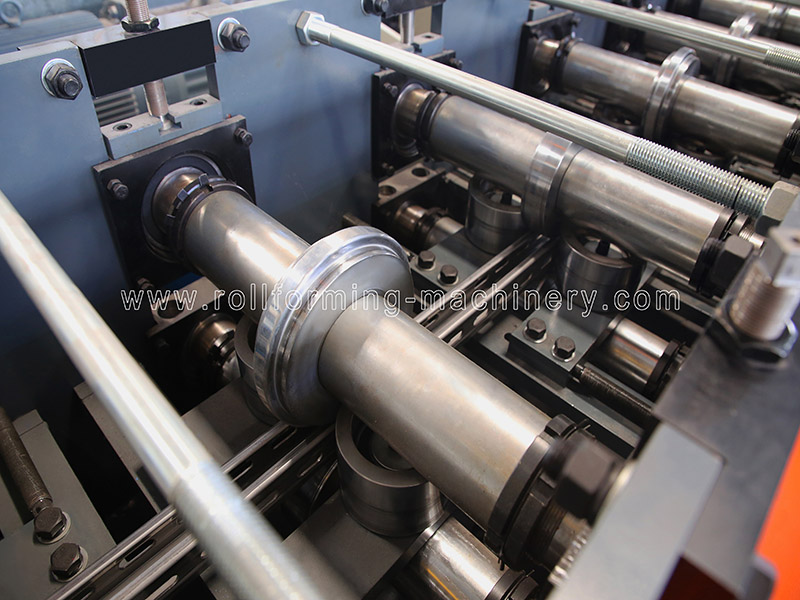
Are you wondering, "What are the main differences between roll forming machines and traditional metal bending equipment?" Roll forming machines are designed for high-speed, continuous production, delivering consistent and precise results with every run. They are ideal for manufacturing large quantities of parts efficiently. In contrast, traditional metal bending equipment, such as press brakes, excels in custom or small-batch jobs but typically requires more manual labor and longer production times. Choosing between these methods can significantly impact your manufacturing efficiency and product quality. BMS Machinery stands out as an industry leader, offering advanced roll forming solutions that meet the demands of modern production environments.
Roll forming machines provide faster production and greater consistency.
Traditional metal bending equipment, like press brakes, offers flexibility but involves higher labor costs.
Key Takeaways
Roll forming machines make parts faster and more the same than traditional metal bending equipment. Traditional metal bending is better for custom jobs but needs more hand work and takes more time. Roll forming works best for making lots of the same part, so it is great for companies that need many matching pieces. Roll forming is very exact, so there is less waste and fewer mistakes when making things. Buying roll forming machines costs more at first, but they save money later because they waste less and work faster. Use traditional bending for testing new ideas or making a few parts, since it is easy to change and set up. Think about how hard the shapes are; roll forming is good for making detailed shapes, but traditional ways are better for simple bends. BMS Machinery has new roll forming machines that help work faster and fit what factories need today.
Roll Forming Process and Applications
How Roll Forming Works
Step-by-Step Overview
Roll forming is an important way to shape metal today. First, you start with a big roll of metal. This roll goes onto a machine called an uncoiler. The metal strip moves into the machine and gets straightened. This makes sure the metal is flat before shaping. A servo feeder then pushes the metal into the roll forming machine. The metal goes through many roller stations. Each station bends the metal a little more. At the end, the metal has its final shape. The machine then cuts the metal to the right size. Workers check the finished parts for quality. After that, the parts are packed for delivery.
Here is a simple list of the roll forming steps:
Put the metal coil on the uncoiler.
Move the strip into the rollers to line it up.
Level, pre-punch, or notch the strip if needed.
Shape the strip with roller dies.
Cut the profile to the right length.
Finish and pack the product.
Continuous Production Benefits
Roll forming is special because it works without stopping. You can make long pieces of metal shapes in one go. This process is fast and uses material well. Roll forming also makes less waste and saves time compared to other ways. The table below shows how roll forming is different from other methods:
Feature | Roll Forming | Other Metal Forming Processes |
Production Speed | High, continuous operation | Often slower, batch processing |
Material Utilization | High, minimal waste | Can be lower, more scrap |
You get the same results every time and can make hard shapes with small errors. This is good for companies that need lots of exact parts.
BMS Machinery Roll Forming Solutions
Advanced Features
BMS Machinery has roll forming machines with new technology. You get these helpful features:
Taiwanese technology for high accuracy and good quality.
ISO9001 and CE certifications for safety and trust.
AI-driven quality control that finds mistakes early and cuts waste.
Advanced servo motors for better speed and energy savings.
These features help you do better in your roll bending and roll forming work.
Industry Use Cases
Many businesses use roll forming to make important things. You can see roll forming in:
Power distribution parts
Warehouse and data storage systems
Commercial food storage units
Solar panel frames
Train parts
Trailers and trucks
Guard sign posts
BMS Machinery roll forming solutions help in construction, cars, airplanes, and energy. For example, you can make steel frames, roofing panels, and solar panel frames. These machines help you make strong, light, and exact parts for many jobs. If you need to make a lot of parts or tricky shapes, roll forming and roll bending machines from BMS Machinery are a good choice.
Roll forming helps with today’s factory needs by being fast, flexible, and making good quality. You can finish work on time, save money, and make products that meet industry rules.
Traditional Metal Bending Methods
Traditional metal bending methods help make many metal parts you see every day. These ways use force to change flat metal sheets or bars. People use different machines and tools to get the shape they want. This is not like metal rolling, which shapes metal by moving it through rollers. Traditional bending presses or folds the metal at certain spots.
Main Bending Techniques
Press Braking
Press braking is a popular way to bend metal. You put a metal sheet on a die and push it down with a punch. This makes a sharp angle or a curve. There are a few ways to use press brakes:
Air bending lets you make many shapes and costs less for tools, but it is not the most exact.
Coining uses more force and gives very exact bends, with small errors as little as ±0.1°. It works well for tricky shapes.
Three-point bending helps test materials and make the same bend again and again, but people mostly use it for research.
V-die bending is good for both accuracy and different jobs. You can get errors from ±0.5° to ±1°, which is fine for many metals.
Manual and Folding Methods
Manual bending uses hand tools or simple machines. You might use a hammer, a vise, or a folding machine. These ways are best for small jobs or quick changes. You do not need much setup, but you may not get the same accuracy as big machines. Folding machines help bend long, thin sheets by holding and lifting the metal.
Equipment Types
Press Brakes
You see press brakes in many workshops. They come in types like hydraulic, mechanical, or CNC-controlled. Each type lets you control how hard and how much you bend the metal. Press brakes can work with many kinds of metals and thicknesses.
Manual Tools
Manual tools are things like hammers, vises, and simple bending jigs. People use these for small parts or repairs. Special tools like dies, punches, and mandrels help shape the metal better. Tube and pipe bending machines also help shape round metal parts.
Common Applications
Product Examples
You see things made with traditional bending in many places. Car frames, exhaust pipes, and metal frames often use these ways. In building, you find bent metal in bridges, building frames, and fancy walls. Big machines use bent metal for strong parts and hydraulic pieces. Electronics and home goods use these ways to make cases, brackets, and covers.
Industry Sectors
Here is a table that shows where you find traditional metal bending:
Industry | Application Description |
Automotive | Used in car frames, exhaust pipes, and strong parts to help cars work better and weigh less. |
Aerospace | Needed for making plane bodies, tubes, and frames, where being exact and strong is important. |
Construction and Architecture | Bending shapes metal for frames, bridges, and fancy walls, helping with both looks and strength. |
Heavy Machinery | Used for strong supports and hydraulic parts to make machines last longer. |
Electronics and Consumer Goods | Used to make metal cases, brackets, and covers that need to look good and fit well. |
You can see that traditional bending helps many industries. These ways let you make custom shapes and small batches. But if you need fast work and the same results every time, you might want to use metal rolling. Metal rolling is better for making lots of parts and tricky shapes.
What Are the Main Differences Between Roll Forming Machines and Traditional Metal Bending Equipment?
If you want to know the main differences between roll forming machines and traditional metal bending equipment, you should learn how each one works, what results they give, and which is best for your project. Let’s look at the main ideas so you can pick the right one.
Process and Output Comparison
Speed and Efficiency
Roll forming and traditional bending are not the same in speed and efficiency. Roll forming uses a machine that works by itself. You put a coil of metal in the machine. The metal goes through many rollers. Each roller bends the metal a little more. At the end, you get the shape you want. This way is good for making lots of parts fast. You also waste less metal. Roll bending can be about 25% faster than old ways for some jobs.
Traditional metal bending, like using a press brake, works with one piece at a time. You put the metal on the machine, set the angle, and bend it. This takes longer and needs more work from people. If you need many of the same part, roll forming will save you time and energy.
Tip: If you need thousands of the same part, roll forming helps you finish faster and use less metal.
Precision and Consistency
Roll forming makes parts that are almost always the same. The rollers shape each piece the same way every time. This means your parts have the same size and shape, even if you make a lot. You will see less waste and fewer mistakes. The process also uses metal well, so you do not waste much.
Traditional bending can make good parts, but each one might be a little different. Changing tools or setting up by hand can cause small mistakes. If you want every part to match, roll forming is better.
Here’s a table to help you compare:
Feature | Roll Forming | Press Braking (Traditional Bending) |
Production Speed | Continuous, high-speed | Batch, slower cycle times |
Material Utilization | High, minimal waste | More scrap, less efficient |
Part Consistency | Very consistent | Can vary between pieces |
Cost and Maintenance
Initial Investment
You might think about the price. Roll forming machines cost more at first. You pay for new technology and machines that work by themselves. Prices can be from $200,000 to $2 million. Traditional metal bending machines, like press brakes, cost less to buy. But you might spend more later on workers and wasted metal.
Equipment Type | Initial Investment Cost |
Roll Forming Machines | $200,000 to $2 million |
Traditional Metal Bending | Lower upfront costs |
| Higher long-term operational costs due to scrap and labor requirements |
Tooling and Downtime
Roll forming machines do not need to change tools often. The machine works by itself, so you stop less. You can switch jobs fast and keep working. Traditional bending machines need to change tools and set up by hand more often. This means you stop the machine more, which slows things down.
Feature | Roll Forming | Traditional Metal Bending Equipment |
Tooling Efficiency | Fewer tool changes | Frequent tool changes |
Downtime | Minimal, automated | Higher, manual setups |
Production Speed | High-speed | Slower |
Adaptability | Adapts to many materials | Limited adaptability |
Both types of machines need care, like oiling parts and checking tools. Roll forming machines often have systems that help you keep them working with less effort.
Flexibility and Complexity
Profile Range
Roll forming is great when you need hard or long shapes. You can make pipes, tubes, wind towers, and tanks with roll bending. The rollers can shape metal into many forms, even tricky ones. If you need special shapes or just a few parts, traditional bending methods like press brakes let you do custom jobs.
Machine Type | Profile Complexity | Production Volume |
Standard Mechanical Roll Former | Simple Profiles | Low to Medium Volume |
CNC-Controlled Roll Former | Complex or Asymmetrical | Low Volume/High Mix |
Fully Automated Systems | N/A | High-Volume Production |
Press Brakes | Custom Shapes | Small to Medium Batches |
Production Volume
Roll forming is best for making lots of the same part. You can make thousands of parts with the same quality. Roll bending is also good for making long pieces for things like beams or channels. Press brakes and other old bending tools are better for small to medium batches or when you need to change shapes a lot.
Why Choose BMS Machinery?
BMS Machinery gives you roll forming machines that help you work faster, make better parts, and do more jobs. These machines can make hard shapes, run with less stopping, and give you the same results every time. If you want to keep up with new factory needs, BMS Machinery’s roll forming machines are a smart choice.
Note: When you ask about the main differences, think about how big your project is, what shapes you need, and how much you want to spend. Roll forming is best for speed, accuracy, and making lots of parts.
Choosing the Right Solution for Your Needs
Project Requirements
Volume and Customization
You need to think about your project size. Also, consider how much you want to change the parts. If you need many parts, roll forming is fast and gives steady quality. You can make thousands of pieces without stopping. Roll forming machines can make special shapes if you use the right tools.
Before you pick a machine, look at these things:
Material compatibility: Make sure your machine works with steel, aluminum, or other metals you use.
Profile complexity: Some machines are better for simple bends, while others can make complex shapes.
Production capacity: Check if the machine can keep up with your demand.
Automation features: Machines with automatic controls save time and reduce mistakes.
Customization options: Choose equipment that lets you adjust sizes and features.
After-sales support: Good support helps you fix problems quickly.
Budget and Timeline
Your money and time are important. Roll forming machines cost more at first. But they save money if you make lots of parts. Traditional bending tools cost less to buy. You may spend more on workers and waste. Think about the metal you use. Carbon steel is cheaper for big jobs. Stainless steel and titanium cost more and work better for small jobs.
Material Type | Production Volume | Cost Implications |
Carbon Steel | Large-scale production | Economical for high volume |
Stainless Steel | Short production runs | Higher cost, suitable for performance |
Titanium | Short production runs | Most expensive, used for high-performance parts |
Tip: Custom projects with unique designs need machines that can handle tight tolerances and special materials.
When to Choose Roll Forming
High-Volume Production
Pick roll forming if you need many of the same part. This process is fast and does not stop often. You get steady results and use less material. Roll forming is good for roofing panels, purlins, and guardrails. BMS Machinery has machines that run fast and keep your line moving.
Complex Profiles
Roll forming is best for tricky shapes. The machine bends metal step by step. You can get detailed designs. It works for construction, cars, and logistics. Roll forming works with many metals. BMS Machinery can help you design a roll forming solution for hard shapes.
Advantage | Description |
High Efficiency | Makes many parts quickly with little downtime |
Consistent Quality | Each part matches the last, even in big batches |
Complex Shapes | Handles detailed and unique profiles with special tooling |
Minimal Waste | Uses most of the material, so you save money |
When to Choose Traditional Bending
Prototyping and Short Runs
If you want to test an idea or make a few parts, use traditional bending. You can set up fast and change designs easily. This method saves time and money for small jobs. Engineers use it for prototypes because it is simple and does not need special training.
Traditional bending is good for small to medium batches.
It works well with laser cutting for fast changes.
You can make quick adjustments during development.
Simpler Shapes
Pick traditional bending for basic bends or simple parts. Manual tools and press brakes can shape metal for frames, brackets, or covers. You do not need advanced machines for these jobs.
Note: Always match your equipment to your project’s needs. If you want speed, high volume, and complex shapes, roll forming is the best choice. For small jobs or simple bends, traditional bending is enough.
BMS Machinery can help you find the right roll forming solution. Their machines offer flexibility, high quality, and support for many industries. You can trust their experience to guide you in making the best choice for your project.
Industry Trends and BMS Machinery’s Role
Manufacturing Evolution
Automation and Industry 4.0
Factories are changing a lot today. Automation and Industry 4.0 make factories smarter and faster. Roll forming machines now use robots and computers. These upgrades help you need fewer workers and make fewer mistakes. You can watch your machines from far away. This helps you fix problems quickly and keep working longer.
Automation makes things faster and cheaper.
Industry 4.0 lets you see how machines work right now.
Watching machines from far away saves money on repairs and helps them last longer.
Automated roll forming lines can make up to 25% more parts and keep them accurate.
Modern roll forming machines help you make more parts with less work. You get the same quality every time and save money on workers. Automation also makes factories safer because machines do the hard jobs.
Sustainability and Efficiency
Factories want to use less energy and make less waste. Roll forming helps you do this. The process uses metal well and wastes very little. The machine shapes each piece just right. Roll forming works at room temperature, so you do not need to heat the metal.
Roll forming wastes less metal.
The process uses less energy because it keeps running.
New oils and coatings are better for the environment.
Factories often recycle scrap metal.
You save money when you use roll forming. The machines make many parts fast and use most of the metal. Automation means you need fewer workers and can make parts quicker. Factories also recycle and use better coatings to help the planet.
BMS Machinery’s Global Impact
Certifications and Achievements
BMS Machinery is a leader in roll forming. Their machines have European CE certification from SGS. This means the machines are safe and good quality. BMS Machinery has sent machines to over 80 countries. Big companies like China State Construction and Tata Bluescope Steel use their machines.
Achievement | Description |
CE Certification | Meets strict European safety and quality standards |
Global Exports | Machines shipped to more than 80 countries |
Trusted Clients | Used by leading companies worldwide |
BMS Machinery uses new technology. You get machines you can trust that meet world standards.
Customer Success Stories
BMS Machinery helps many industries. Construction companies use their machines to build strong roofs and frames. Car factories use BMS roll forming for exact parts. Logistics companies use roll forming to make shelves and racks.
BMS Machinery helps you fix production problems. You get good machines that make work easier and help the environment.
You can trust BMS Machinery to give you what you need. Their experience and work around the world make them a top company in roll forming.
You can easily spot the main differences between roll forming machines and traditional metal bending equipment. The table below lists the most important points:
Feature | Roll Forming Machines | Traditional Metal Bending Equipment |
Production Speed | High | Low |
Application Suitability | High-volume | Custom, low-volume |
Return on Investment | Fast | Slow |
BMS Machinery’s roll forming solutions help you work faster, save money, and make parts that are always the same. These machines also let you change jobs easily. Think about what your project needs. Visit BMS Machinery’s website to learn more and get help from experts.
FAQ
What is the main advantage of roll forming machines?
You get high-speed production and consistent quality. Roll forming machines work best when you need many parts that look the same. You also save material and reduce waste.
Can you use roll forming for small batches?
Roll forming works best for large batches. If you need only a few parts, traditional bending methods are better. You can switch designs faster with manual tools.
Which industries use roll forming machines the most?
You see roll forming in construction, automotive, and logistics. These machines make roofing panels, car parts, and storage racks. Many factories use roll forming for strong and light metal parts.
How do you choose between roll forming and press braking?
Think about your project size and shape needs. Choose roll forming for high volume and complex shapes. Pick press braking for small batches or simple bends.
Is roll forming more expensive than traditional bending?
You pay more at first for roll forming machines. Over time, you save money with less waste and faster production. For big jobs, roll forming gives you a better return.
What materials can roll forming machines handle?
You can use steel, aluminum, and other metals. Roll forming machines from BMS Machinery work with many materials. Always check if your metal fits the machine.
Do roll forming machines need a lot of maintenance?
You do not need much maintenance. Most machines have automatic systems that help you keep them running. Regular checks keep your machine in good shape.
Where can you get help choosing the right roll forming machine?
You can contact BMS Machinery for expert advice. Visit BMS Machinery’s website or email info@rollformingmill.com. The team will help you find the best solution for your needs.

 日本語
日本語 한국어
한국어 ไทย
ไทย 繁體中文
繁體中文 العربية
 فارسی
فارسی Français
 Русский
 Español
 Português
 English
 Deutsch
 italiano
 Nederlands
 Tiếng Việt
 Polski
 Türkçe
 አማርኛ
አማርኛ ພາສາລາວ
 ភាសាខ្មែរ
 Bahasa Melayu
 ဗမာစာ
ဗမာစာ தமிழ்
தமிழ் Filipino
 Bahasa Indonesia
 magyar
 Română
 Čeština
 Монгол
 қазақ
қазақ Српски
 हिन्दी
 Kiswahili
 Slovenčina
 Slovenščina
 Norsk
Norsk Svenska
 українська
 Ελληνικά
 Suomi
Suomi Հայերեն
 עברית
עברית Latine
 Dansk
Dansk اردو
اردو Shqip
Shqip বাংলা
বাংলা Hrvatski
 Afrikaans
 Gaeilge
 Eesti keel
 Māori
Māori සිංහල
සිංහල नेपाली
 Oʻzbekcha
 latviešu
 অসমীয়া
 Беларуская мова
 Esperanto
 मराठी
मराठी پښتو
پښتو


