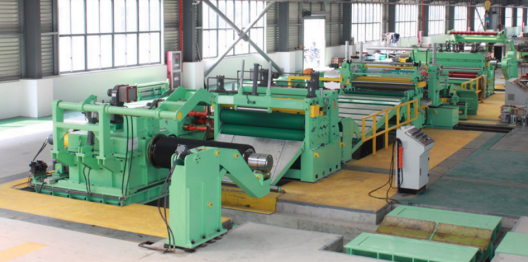
You can stay safe and work well when you use a roll forming machine if you follow clear steps. Research shows this helps you know what each station does to shape the metal strip. Here are important things to remember:
Learn all seven steps before you begin.
Always wear safety gear like glasses and steel-toed boots.
Never try to fix a jam if the machine is on.
These steps keep you safe and help you work better. Roll Forming Machines from BMS Machinery come with easy manuals and good safety features you can trust.
Key Takeaways
Learn all seven steps before you use a roll forming machine. Knowing these steps keeps you safe and helps you work well.
Always wear your personal protective equipment. This includes safety glasses and steel-toed boots. These items keep you safe from harm.
Never try to fix a jammed machine while it is still running. Turn off the machine first so you do not get hurt badly.
Keep your work area neat and organized. A clean space lowers the chance of accidents. It also helps the machine work better.
Read the machine manual and look at safety signs before you start. Knowing these rules helps stop accidents and makes sure you use the machine right.
Check and take care of the machine often. Doing this keeps the machine working well and helps it last longer.
Watch the machine while it is working for any problems. Finding issues early can stop accidents and damage to the machine.
Always use the machine with a partner. Having someone with you makes things safer and helps if there is an emergency.
Why Safety and Efficiency Matter in Roll Forming Machines
Workplace Safety Impact
Safety is very important when you use roll forming machines. These machines have strong rollers and moving parts. If you do not follow safety rules, you can get hurt badly. Some dangers are crushing, pinching, flying metal pieces, loud sounds, electrical issues, and lifting heavy metal sheets. If the area is messy, there could be fire or explosion risks.
Tip: Always make sure machine guards and safety barriers are ready before you start. Wear your safety glasses and hearing protection. Use tools to move big sheets. These steps help stop accidents and keep you safe.
Productivity and Quality
If you use roll forming machines the right way, you can finish more work faster. When you set up the machine well, you can make long metal shapes that look good and fit right. Your products will be smooth and shaped the right way every time. Automated controls and coil-fed material help save money and make things more even.
New machines have better technology, like servo-driven systems and computerized controls. These things help the machine work better and make it easy to change settings. If you care about safety and working well, you can make lots of good products and reach your goals.
Industry Standards for 2026
In 2026, the rules for using roll forming machines will be even tougher. You must follow new safety rules and use the best machine guards. Checking and fixing machines often will be normal. Companies like BMS Machinery make machines with strong safety features and easy manuals.
There will be more rules for keeping your work area clean and checking wires. Training will teach you how to stop accidents and keep machines working well. If you follow these rules, you keep yourself and your team safe and do your best work.
Pre-Operation Steps for Operating a Roll Forming Machine
You must follow some steps before you use a roll forming machine. These steps help keep you and others safe. They also help the machine work well. Never use the machine by yourself. Always have another trained person with you in case you need help.
PPE and Area Inspection
You need to wear the right personal protective equipment every time. This gear keeps you safe from sharp edges, loud noise, and moving parts. Here is what you should wear:
Safety glasses
Cut resistant gloves
Steel-toe boots
Hearing protection
Check the area around the machine before you start. Look for things that could cause problems, like loose tools, oil spills, or blocked exits. Make sure all machine guards are in place and working. A clean and safe area helps stop accidents and keeps things running well.
Tip: Check the area often to find hazards early. Fix small problems before they get worse. This keeps the machine working well and helps it last longer.
Reading Manuals and Safety Signs
Always read the manual before you use the machine. BMS Machinery gives you easy manuals that show every step. The manual tells you about safety rules and how to use machine guards. Look for safety signs on the machine. These signs remind you to wear your gear and show where the emergency stop button is.
Do these things before you start:
Read all safety signs and warnings.
Check the manual for the pre-operation checklist.
Know where the fire exits and first-aid kits are.
Make sure all guards and barriers are in place.
Reading the manual and signs helps you learn the safety rules. This helps stop accidents when you use the machine.
Preparing the Machine
Get the machine ready by following the manufacturer’s instructions. This is important for safety and for making the machine work right. BMS Machinery makes machines with easy steps and strong safety features.
Here is what you need to do:
Finish operator safety training before you use the machine.
Put on all protective devices, like machine guards.
Check the machine for damage or missing parts.
Make sure all controls and emergency stops work.
Do routine maintenance and look for signs of wear.
Be careful when changing dies or making adjustments.
Getting the machine ready the right way helps you avoid dangers. It also helps the machine work its best. You lower the chance of getting hurt and make sure your products are good.
Note: Always work with a partner when you use a roll forming machine. This extra step makes things safer and helps you act fast if something goes wrong.
Material Loading and Setup
Material Selection and Inspection
You must pick the right material before you use the roll forming machine. This step helps you stay safe and makes the machine work well. Use these rules to choose good materials:
Material and Product Specifications:
Find out if you need steel or aluminum for your machine.
Check the thickness and width so the machine can handle it.
Look at the shape you want and see if the machine can make it.
Quality and Precision:
Make sure the machine can keep the size correct for good results.
See if the machine can give you the surface finish you want.
Compliance and Safety:
Follow all safety rules and industry laws.
Use machine guards and other safety tools to protect everyone.
You should also look at the material for cracks, rust, or other problems. Materials that are strong and hard help the rollers last longer. Tough materials stop breaking and keep the machine working well.
Tip: Always check the material and the rollers before you start. This helps stop accidents and keeps your products the same every time.
Safe Loading Procedures
When you put material in the roll forming machine, you must be safe at every step. Here is an easy way to load materials safely:
Wear gloves and safety glasses every time.
Clean the upper and lower molds before you begin.
Look for things on the material support and take them away.
Pick the right die for the sheet thickness.
Make sure the roll forming force does not go over 1000KN.
Lower the pressure for narrow sheets to keep the mold safe.
Set the slider stroke to less than 100 to stop damage.
Make the gap between molds even.
Never put your hands in the mold area. Only load one piece at a time.
Put the sheet in the center of the mold for accuracy. If you load from the side, keep the force under 250KN.
Check oil levels and look for problems in the hydraulic system.
Stop the machine right away if you see anything strange.
These safety steps and machine guards help stop accidents and keep you safe from dangers.
Note: Always follow safety steps and never skip any. This keeps you safe and helps the machine work better.
Roller and Guide Setup
Setting up rollers and guides the right way is important for safety and good products. You should:
Line up the entry guide rails so they are 0.5mm to 1.0mm wider than the coil strip. Make sure they are straight with the roller shafts.
Use a feeler gauge to set the gap between rollers to 100%-105% of the material thickness.
Change the roller gap to match the material thickness. This stops bending and keeps the product good.
Control the tension and feed speed to stop problems when you work.
Change the bending radius and angle to match your design and stop cracks.
Put oil on all moving parts to stop early wear and damage.
Look for rollers that are not lined up and fix them to stop machine damage.
Tip: Setting up rollers and guides the right way, and using machine guards, helps you stay safe and get the best results from your roll forming machines.
Parameter Setup and Lubrication for Roll Forming Machines
Inputting Parameters
You must set the right parameters before you use the machine. This helps you get good results and stay safe. First, check what material you have and how thick it is. Use the control panel to put in the right numbers. Follow these steps for a good setup:
Change the speed to fit the material. Thick materials need slower speeds.
Set the roller pressure. Too much pressure can bend your product.
Line up the rollers. If they are not lined up, you can get defects.
Make sure the material moves smoothly. Keep the tension steady to stop accidents.
Watch the temperature. If it gets too hot, the metal can change shape.
Pick the right tools and keep them in good condition.
Use real-time monitoring. This helps you find problems early.
Run a test piece first. Make small changes if you need to before you start full production.
Tip: Always check your settings twice. Setting the right parameters is very important for safety.
Speed and Pressure Adjustment
You need to change speed and pressure for every job. These settings help the machine work well and keep you safe. The right speed gives you smooth and even products. If you go too fast, you might get defects or waste material. Smart sensors can help by making changes for you.
Changing speed and pressure helps keep your products good.
Sensors can find problems before they get worse.
Watching these settings is a big part of staying safe.
If you see rollers out of line or the machine getting too hot, stop right away.
Note: Controlling speed and pressure well can stop accidents and keep you safe from common dangers.
Lubrication Points
Lubrication is important for safety and for the machine to last long. You need to know where to put oil or grease and how often to do it. Check the table below for where and when to add lubrication:
Component | Lubrication Frequency |
Shear Dies | Daily |
Hydraulic Oil | Twice a year |
Drive Mechanisms | Regular checks for tension and wear |
Mill Components | Every 100 hours |
Gearbox Oil Change | Every 2500 hours |
Roll Former Shaft Bearings | Monthly |
Pillow Blocks / Slide Blocks | Yearly |
Follow these times to keep the machine working well. If you miss a service, the machine can break or become unsafe. Always wear gloves and eye protection when you add oil or grease. This is another important safety step.
Callout: Doing regular lubrication is one of the best ways to stop common dangers and keep your roll forming machines safe.
Test Run and Automatic Operation
Manual Test Run
You should always start with a manual test run before switching to full automatic mode. This step helps you check if everything works as it should. Begin by setting the machine to manual mode. Use the control panel to move the rollers slowly. Watch the sheet metal as it enters the machine. Make sure it feeds straight and does not jam. Listen for any strange noises. If you hear grinding or knocking, stop right away and check the rollers.
Tip: Keep your hands away from moving parts during the test run. Use tools to guide the material if needed.
Check the emergency stop button. Press it to see if the machine stops quickly. This test keeps you safe and shows that the safety systems work. If you see any problems, fix them before you continue.
Monitoring for Issues
During the test run and automatic operation, you need to watch for signs of trouble. Good monitoring helps you catch problems early and avoid damage. Here is a table of important indicators and what you should do if you notice something wrong:
Indicator | Description | Action Steps |
Roller Misalignment | Uneven bending or wrinkling of the sheet metal. | Check guides, adjust roller shafts, verify alignment. |
Insufficient Lubrication | Too much friction or overheating. | Check oil levels, inspect for leaks, grease parts, replace oil filters. |
Defects in Sheet Metal | Scratches, rust, or uneven surfaces on the product. | Inspect material, clean it, check dies, adjust machine settings. |
Electrical Faults | Machine stops or motors fail. | Check power, inspect wiring, test with a multimeter. |
Overloading | Motor strains or stops, machine slows down. | Check sheet weight, reduce speed, use load monitoring if available. |
You should check these indicators often. If you spot a problem, stop the machine and fix it before you continue. This habit protects both you and the equipment.
Note: Monitoring helps you keep the machine running smoothly and prevents accidents.
Switching to Auto Mode
After a successful manual test run, you can switch to automatic mode. Set the machine to auto using the control panel. Make sure all guards are in place. Stand clear of moving parts. Watch the first few pieces as they come out. Check for correct shape and size. If you see defects, pause the machine and adjust the settings.
Operating a roll forming machine in auto mode saves time and boosts output. You can trust modern roll forming machines to handle large jobs with less effort. Always stay alert and ready to stop the machine if you see anything unusual.
Callout: Safety comes first. Never leave the machine running without supervision.
Monitoring Operation and Managing Output
Continuous Monitoring for Safety
You have to watch the machine while it works. This helps you find problems early and keeps people safe. Many roll forming machines now have new safety features. These features let you check the machine without stopping your job. The table below shows some important safety tools you might see:
Safety Feature | Description |
Fully enclosed, interlocked tunnel guards | These guards stop people from getting into dangerous spots when the machine is running. |
Perimeter guarding for uncoilers | This guard keeps workers safe from dangers when uncoiling metal. |
Easily accessible emergency stops (E-Stops) | Emergency stops let you turn off the machine fast if there is a problem. |
Check these safety tools before you start working. Make sure all guards are in place and emergency stops work. If you see something strange, stop the machine and fix it. Doing this helps keep you and your team safe every day.
Handling Output Material
When you finish using the roll forming machine, you need to handle the finished products carefully. This keeps you safe and protects the products. Follow these steps to keep your area safe and your products in good shape:
Make sure loaded pallets are secure.
Keep bulk items together and safe.
Put loaded pallets in the right place.
Move products in a safe way.
Keep the warehouse neat and safe.
"Pick the right pallet. This is important because the pallet must hold the weight and shape of the load. Check the pallet for damage. Broken pallets can cause products to break in the warehouse. Load the pallet the right way. Even good products can get ruined if the pallet tips over or breaks."
The U.S. Bureau of Labor Statistics says that for every 100 full-time warehouse workers, about five get hurt and 26 die each year. You can make these numbers lower by handling things safely and keeping your workspace clean.
Responding to Alarms
Alarms tell you when something is wrong with the machine. You need to act fast and stay calm when you hear or see an alarm. Here are some ways to respond:
Slow down the machine if it seems to be working too hard.
Add oil if parts are noisy or getting hot.
Use a fan or other way to cool hot parts.
Check the machine more often if you cannot stop it right away.
Never ignore alarms. Always look at the control panel for messages. If you cannot fix the problem, ask a supervisor or the maintenance team for help. Acting quickly keeps the machine working well and keeps everyone safe.
Shutdown and Maintenance with BMS Machinery
When you finish using a roll forming machine, you must follow the right steps to shut it down and take care of it. BMS Machinery makes machines that are easy to care for and last a long time. Their help lets you keep your equipment safe and working well.
Safe Shutdown Steps
You need to turn off the machine safely every time. This keeps you and your team safe. Always do these safety steps:
Turn off the main power switch.
Wait until all moving parts stop.
Use lockout/tagout devices so the machine cannot start by mistake.
Put warning tags on the controls.
Test the emergency stop to make sure it works.
Take out any material left in the machine.
Tip: Lockout/tagout lowers the chance of getting hurt from the machine starting by accident. It protects you from dangerous energy. This step can save lives and helps everyone trust your safety system.
Training on shutdown and safety steps helps everyone remember what to do. You should practice these steps often.
Cleaning and Inspection
You must clean and check the machine after every use. This keeps the machine in good shape and helps you find problems early. Follow this routine for maintenance and inspection:
Check for loose bolts and anything strange every day.
Remove dirt from the rollers and guides.
Use the right cleaning solutions for metal parts.
Check rollers and bearings each week and month.
Look for signs of wear or damage on all parts.
Clean the machine surfaces and rolls to stop buildup.
Make sure the coolant system works well.
Check all safety guards and covers.
Test emergency stops and safety switches.
Keep the area around the machine clean and dry.
Watch temperature and humidity to stop rust.
Note: Cleaning and checking the machine often helps stop early wear and keeps your machine working longer. BMS Machinery says to do daily, weekly, and monthly checks for best results.
Maintenance Records
You need to keep good records of all maintenance and inspection work. This helps you track the machine’s health and plan repairs. Here is what you should write down:
Write down every inspection, including what you checked and what you found.
Record oiling of roller bearings, gears, and all moving parts.
Note any alignment or calibration work.
List all cleaning jobs, including rolls and coolant systems.
Track parts you replaced, like filters or seals.
Check that all safety guards and emergency stops work.
Record operator training sessions.
Keep logs of all maintenance and inspection work.
Watch for patterns in machine performance.
Note the condition of the operating environment.
Record temperature and humidity checks.
BMS Machinery gives you easy schedules for maintenance and inspection. Their machines are made to last, so you spend less time fixing them and more time making good products.
Callout: Keeping good maintenance and inspection records helps you find problems early and keeps your machine safe and reliable.
If you want the best results, follow each step when using a roll forming machine. Safety should always come first. Keep learning by taking training classes and using inspection help from BMS Machinery. Their new machines and support help you do your job better. The table below lists some useful tools:
Resource Type | Description |
Roll Stands | Hold the rolls that slowly shape the metal strip. |
Cut-off Press | Cuts the finished shape to the right length. |
Run-out Table | Holds and guides the product as it leaves the machine. |
Advanced Machinery | Lets you make changes with computer controls for better results. |
You can find more help and tips on the BMS Machinery website.
FAQ
What is the first thing you should do before operating a roll forming machine?
You need to read the manual first. Check all safety signs before you start. Put on your personal protective equipment. Look around for any dangers in the area.
How often should you lubricate the roll forming machine?
Follow the schedule in your manual for oiling. Some parts need oil every day. Other parts need oil once a month or once a year. Lubricating often helps the machine work well and stay safe.
What should you do if the machine alarm sounds?
Stop the machine as soon as you hear an alarm. Check the control panel for any messages. Look for damage or problems with the machine. If you cannot fix it, tell your supervisor or the maintenance team.
Can you operate a roll forming machine alone?
No, you should not use the machine by yourself. Always have another trained person with you. This keeps you safe and helps you get help fast if something goes wrong.
How do you handle finished products safely?
Pick the right pallets and check them for cracks. Stack the products carefully so they do not fall. Keep your workspace clean and neat. Use the right tools to move items so you do not get hurt.
Why is regular training important for machine operators?
Training teaches you new safety rules and machine features. It helps you learn the best ways to work. Training often lowers the chance of accidents and makes you better at your job.
What are the main steps in operating a roll forming machine safely?
First, check the area for hazards. Put on your safety gear. Set up the machine and load the materials. Enter the right settings. Run a test and watch the output. Follow each step to work safely and well.
What should you do if you notice a defect in the finished product?
Stop the machine right away. Check the material and the rollers for problems. Change the settings if you need to. Do not keep working until you fix the problem to keep things safe and good.

 日本語
日本語 한국어
한국어 ไทย
ไทย 繁體中文
繁體中文 العربية
 فارسی
فارسی Français
 Русский
 Español
 Português
 English
 Deutsch
 italiano
 Nederlands
 Tiếng Việt
 Polski
 Türkçe
 አማርኛ
አማርኛ ພາສາລາວ
 ភាសាខ្មែរ
 Bahasa Melayu
 ဗမာစာ
ဗမာစာ தமிழ்
தமிழ் Filipino
 Bahasa Indonesia
 magyar
 Română
 Čeština
 Монгол
 қазақ
қазақ Српски
 हिन्दी
 Kiswahili
 Slovenčina
 Slovenščina
 Norsk
Norsk Svenska
 українська
 Ελληνικά
 Suomi
Suomi Հայերեն
 עברית
עברית Latine
 Dansk
Dansk اردو
اردو Shqip
Shqip বাংলা
বাংলা Hrvatski
 Afrikaans
 Gaeilge
 Eesti keel
 Māori
Māori සිංහල
සිංහල नेपाली
 Oʻzbekcha
 latviešu
 অসমীয়া
 Беларуская мова
 Esperanto
 मराठी
मराठी پښتو
پښتو


