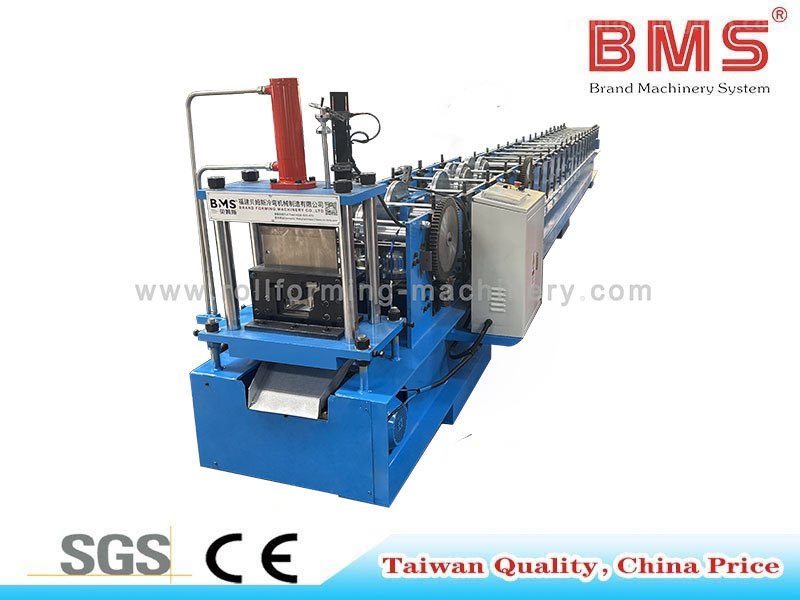
You may wonder how a gutter machine works when you see seamless gutters installed on roofs. The process is simple yet powerful. You feed a flat metal coil into the machine. The rollers inside shape the metal into a gutter profile. You control the length and cut each section as needed. This step-by-step process shows how a gutter machine works to create strong, custom-fit gutters for every project.
Key Takeaways
Gutter machines make seamless gutters from flat metal coils. This helps stop leaks and water damage.
Using a gutter machine saves time and hard work. You do not need to make many cuts or joints. This helps you work faster.
You can change the material thickness, gutter width, and profile style. This lets you get the right fit for any job.
You get good results by setting the slope just right. This stops water from pooling and leaking.
Pick the right gutter machine for your job. You can choose stationary, portable, or special types. Your choice depends on what you need and how much you make.
Clean and oil your gutter machine often. This keeps it working well.
Check your machine before you use it. Wear safety gear to stay safe and avoid accidents.
Make sure the machine works with your metal type. Using the right machine keeps the gutters strong and safe.
Gutter Machine Benefits
Seamless Gutter Production
A gutter machine makes seamless gutters from a flat metal coil. The machine shapes one long piece without many joints. This means you do not need to connect lots of sections. Seamless gutters protect homes from leaks and water damage. These gutters only have joints at corners and downspouts. Sectional gutters have joints every 10 feet.
Feature | Seamless Gutters | Sectional Gutters |
Leak Points | Only at corners & downspouts | Every 10 feet plus corners |
Expansion/Contraction | Less stress at fewer joints | Multiple joints under stress |
Chris Battaini says, "Seamless gutters look nice and stop leaks. They protect homes by removing most places where water can get in."
A seamless gutter machine makes custom lengths right where you need them. This lowers the chance of leaks and gives a better fit for each job.
Time And Labor Savings
A gutter machine saves time and work on every project. You do not have to measure, cut, or join many gutter pieces. The machine shapes and cuts the gutter to the right length in one step. This helps you finish jobs faster and take on more work.
Studies show a gutter machine boosts productivity. You spend less time making each gutter and work more efficiently. Costs go down because the machine cuts down on waste and mistakes. You can do more jobs with fewer workers, which helps your business grow.
More productivity
Better quality
Lower cost
Good for the environment
Customization Options
A seamless gutter machine lets you make gutters for any building. You can change the material thickness, gutter width, and profile style. Choose from K-Style, Half-Round, or custom profiles. You can also set the speed and cutting length for each job.
Parameter | Range | Description |
Material Thickness | 0.019″ to 0.032″ | Changes how strong and heavy the gutter is. |
Gutter Width | 5″ to 7″ | Bigger sizes are used where it rains more. |
Forming Speed | 20-50 Feet per Minute | Affects how fast you make gutters. |
Profile Options | K-Style, Half-Round, Custom | Depends on the roller setup. |
Cutting Length Accuracy | ±0.1″ | Important for making gutters the right size. |
Control Interface | Manual, Digital | Digital gives more control. |
You can match gutters to the color, size, and shape customers want. This makes customers happier and brings more business to you.
Professional Results
Using a gutter machine helps you make gutters that fit well. The gutters look neat and clean on any building. You can trust the results because the machine uses smart technology and careful controls.
Professional gutter machines let you set the right slope every time. The slope is 1/8 to 1/4 inch for every 10 feet toward each downspout. This slope makes water move smoothly and stops it from pooling. Old methods often miss this step, which can cause leaks or water damage. With a gutter machine, you set the slope exactly, so each section works right.
Feature | Gutter Machine Installation | Traditional Methods |
Slope Precision | 1/8–1/4 inch per 10 ft, always accurate | Often inconsistent |
Custom Fit | Yes, made to exact length | Often pieced together |
Seamless Finish | Yes, no visible joints except corners | Multiple joints, more visible seams |
Equipment Investment | $15,000–$40,000, advanced machinery | Basic tools, less precision |
Required Skill | Specialized training | Basic skills, more room for error |
High-quality machines cost more and need special training. These machines give results that basic tools cannot. When you use a machine like the BMS Easy Installation Seamless Gutter Forming Machine, you get strong gutters with a professional look. The machine shapes each piece with steady pressure and makes clean edges. The gutters look sharp and last longer.
Professional gutter jobs often come with warranties. These warranties cover both the materials and the work. You feel safe knowing you have help if something goes wrong.
Warranties protect you from mistakes.
You get coverage for the gutter material and the work.
Professional installers support their results.
Buying advanced gutter machines means you do better work. Machines with strong rollers or hydraulic cutters help you make gutters that look good and work well. Old methods cannot give the same finish or reliability. When you use a professional gutter machine, you show you care about quality and making customers happy.
Types Of Gutter Machines
When you start making gutters, you must pick the right machine. Gutter machines come in different types for different jobs. Each type works best for certain places or tasks. Here are the main types you will see in gutter making.
Stationary Gutter Machines
Stationary gutter machines do not move. They stay in one spot, like a workshop or factory. These machines are good for making lots of gutters fast. They use big coils and can run for many hours. The BMS Easy Installation Seamless Gutter Forming Machine is a good example. This machine shapes gutters quickly and very accurately. You can change the feeding width and add punching holes if you want. This helps you make gutters that fit well and are easy to put up. The strong frame and hydraulic cutter make sure you get good results every time.
Tip: If your business makes many gutters every day, a stationary machine gives you the best speed and quality.
Portable Gutter Machines
Portable gutter machines are easy to move from place to place. You can put them on a truck or trailer. These machines let you make gutters right at the job site. The BMS Portable Gutter Roll Forming Machine is a top choice here. It makes K-Style, Half round, or box style gutters in many sizes. You can use galvanized steel, aluminum, or copper. The tough rollers and strong frame help the machine last a long time. You get smooth shapes and good cuts for every job.
You save time by making gutters where you work.
You do not have to carry long gutter pieces.
You can do both small and big jobs.
Specialized Gutter Machines
Some jobs need special gutter shapes or materials. Specialized gutter machines are made for these jobs. The BMS Spanish Gutter Roll Forming Machine is one example. It makes Spanish-style gutters with great accuracy. The machine uses hard, chrome-plated rollers and a strong steel frame. You can use stainless steel and thicker materials. The advanced PLC control system and touch screen make it simple to use.
Machine Type | Best For | Example (BMS) | Unique Feature |
Stationary | High-volume production | Easy Installation Seamless Gutter Forming Machine | Optional punching holes |
Portable | Onsite installation | Portable Gutter Roll Forming Machine | Multiple gutter profiles |
Specialized | Custom shapes/materials | Spanish Gutter Roll Forming Machine | Hardened rollers, touch screen |
When you pick a gutter machine, think about how you like to work. Stationary machines are best for big shops. Portable machines are good for working at different places. Specialized machines let you make special gutter designs. Each type helps you do better work and make your customers happy.
Gutter Machine Components
Coil Feeder
The coil feeder is where the gutter machine starts. You put a flat metal coil onto the feeder. The coil can be galvanized steel, aluminum, or copper. The feeder keeps the coil steady and guides it into the machine. You need to line up the coil so it does not jam or feed unevenly. Most feeders use a decoiler that can be manual or powered. This device helps you unroll heavy coils easily. Using a good coil feeder keeps the process safe and efficient. The feeder also stops the coil from bending or getting scratched before it moves to the next step.
Tip: Always look for dents or rust on the coil before you load it into the gutter machine. Clean coils give you the best results.
Forming Rollers
Forming rollers are the main part of the gutter machine. These rollers turn the flat metal into a gutter shape. The rollers work in a row, each one bends the metal a bit more until you get the final gutter. You can change the rollers to make different gutter styles like K-Style or Half-Round. Precision matters here. Rollers made from strong, heat-treated steel last longer and keep their shape. Many top machines use chrome-plated rollers for extra strength and smooth work.
Here is a quick look at how forming rollers work and what materials you will find in high-quality machines:
Role of Forming Rollers | Materials Used for Rollers |
Gradually bend metal coils into the desired gutter shape | Various types of steel, specifically No.45 steel treated with chrome for durability |
Use a series of rollers to gradually form metal coils into a gutter shape | Processed by CNC machine tools for accuracy, often made from heat-treated steel with chrome plating |
You get smooth, professional gutters when you use a machine with good rollers. The rollers stop dents and keep the gutter smooth from start to finish.
Drive System
The drive system moves the metal through the gutter machine. Motors and gears pull the coil through the rollers at a steady speed. A strong drive system lets you make gutters fast and with fewer mistakes. Many new machines use a polyurethane passive drive system. This design makes the machine run smoothly and helps parts last longer.
The drive system keeps the machine working well for every job.
Precision engineering keeps the gutter shape the same.
You can make gutters at speeds up to 45 feet per minute, which helps you work faster.
Industrial-grade parts help the machine last longer and work better.
When you pick a gutter machine with a strong drive system, you get faster work and fewer problems. This lets you do more jobs and make high-quality gutters every time.
Cutting System
The cutting system lets you pick how long each gutter is. You choose when to cut, so every piece fits just right. Most gutter machines have a manual or automatic cutting system. Manual cutters need you to pull a lever or push a button. Automatic cutters use the control panel and sensors to work. The machine checks the gutter length and cuts it at the right place.
A good cutting system uses tough materials like Cr12MoV steel. This steel stays sharp and makes clean cuts. Your gutters have smooth ends that fit together well. Many machines, like those from BMS, use hydraulic post cutters. These cutters use oil pressure to cut metal fast and safely. Hydraulic systems give more power and less shaking. This helps you get a straight, neat cut every time.
You can pick from two main ways to cut:
Manual Cutting: You cut by hand. This is good for small jobs or if you want to check each piece.
Automatic Cutting: The machine cuts for you. You set the length on the control panel. The system measures and cuts each piece without stopping.
Tip: Always look at the blade before you start. A sharp blade gives the best results and keeps the machine working well.
A strong cutting system saves time and stops waste. You do not need to trim or fix the ends. Your gutters are ready to install right away.
Control Panel
The control panel is like the brain of the gutter machine. You use it to set up, watch, and change the machine as it works. New machines have easy computer screens that make things simple. Many panels have a 7-inch touchscreen. This screen works in all kinds of weather and lasts a long time.
You can switch between automatic and manual modes. This helps you do different jobs. Some panels have a USB port. You can load or save cutlists to set up faster. Troubleshooting guides help you fix problems quickly.
Here is a table that shows what advanced control panels offer:
Feature | Description |
Simplified computer screens | Makes it easier and faster to use |
7-inch touchscreen | Works well in bad weather and lasts long |
Automatic/manual operation | Lets you control the machine in different ways |
USB port | Lets you load or save cutlists |
Interactive troubleshooting | Helps you find and fix problems |
You also get:
Safety features that keep you and your team safe.
Troubleshooting built in to help you fix things fast.
Better control over your projects for great results.
A smart control panel helps you work faster and make fewer mistakes. You spend less time setting up and more time making good gutters. You feel sure you can handle any job, big or small.
Gutter Machine Operation Steps
Safety Checks
Before you start any project, you must check your equipment and work area. These steps keep you safe and help your gutter machine work well.
Inspecting The Machine
You should always inspect your machine before you turn it on. Look for loose bolts, worn parts, or leaks. Check the power supply and make sure all guards are in place. Examine the rollers and cutting blades for damage. If you see any problems, fix them before you begin.
Tip: A quick inspection can prevent costly repairs and keep you safe.
You also need to check your safety gear. Use harnesses, lanyards, and lifelines that meet industry standards. Make sure each part is in good shape. The table below shows what to look for:
Safety Check Requirement | Description |
PFAS Components | Must meet stringent criteria including anchorage points supporting at least 5,000 pounds per employee. |
Harnesses | Must limit arresting forces to 1,800 pounds to prevent injury. |
Lanyards and Lifelines | Must be inspected for damage before each use and replaced if defective. |
Proper Placement
Set your gutter machine on a flat, stable surface. Make sure the area is clean and free of clutter. Level the machine to avoid jams or uneven gutters. Place the machine away from high-traffic zones to reduce the risk of accidents. Check that you have enough space for the coil and finished gutter to move freely.
Material Preparation
Good preparation leads to better results. You need to pick the right coil and load it correctly.
Coil Selection
Choose a coil that matches your project needs. Look at the material type, thickness, and width. Store coils in a cool, dry place with good airflow. Keep them away from busy areas to prevent damage. Use proper stacking methods and skids for long-term storage. Remove any protective film before you load the coil.
Store coils in a dry, covered area.
Make sure the storage space has stable temperatures.
Keep coils off the ground and away from water.
Loading The Feeder
Lift the coil carefully and place it on the decoiler. Align the coil with the entry guides. Set the guides to match the coil width. This step helps the coil feed straight into the gutter machine. Run a short test piece to check alignment. Adjust the guides if needed. Make sure the run-out supports are at the same height as the exit point. This keeps the gutter from bending or twisting.
Best Practice | Description |
Align Reel & Guides | Position the coil reel squarely and set entry guides to match coil width for proper feeding. |
Run a Test Piece | Confirm straightness and alignment by feeding a short length of the actual coil. |
Check Run-Out Supports | Ensure stands are aligned and at the same height as the exit point for smooth operation. |
Forming Process
Once you finish your checks and preparation, you can start making gutters. The forming process shapes the flat coil into a finished gutter.
Feeding The Coil
Feed the coil slowly into the entry guides. Watch for snags or misalignment. Start the machine at a low speed. This helps you spot problems early. If the coil moves off track, stop the machine and fix it. A straight feed gives you a smooth, even gutter.
Shaping The Gutter
As the coil moves through the rollers, the machine bends it into the right shape. Each roller station makes a small change until you get the final gutter profile. You must watch the process and check for dents or bends. If you see a problem, adjust the rollers or guides.
The table below shows the key steps in the forming process and how they affect quality:
Step Number | Step Description | Impact on Quality |
1 | Pre-start inspection | Ensures all equipment is safe and ready for operation, preventing initial defects. |
2 | Start the machine | Proper startup is crucial for smooth operation and avoiding mechanical issues. |
3 | Test run | Identifies any immediate operational problems before production begins. |
4 | Feeding and threading | Correct material alignment is essential for uniform gutter shape. |
5 | Low-speed trial production | Allows for early detection of quality issues in the formed gutter. |
6 | Adjustment and optimization | Fine-tuning ensures precision in the final product dimensions. |
7 | Normal production | Continuous monitoring during this phase is vital for maintaining quality. |
8 | Shutdown | Proper shutdown procedures help maintain machine integrity for future use. |
You get the best results when you follow each step with care. A well-shaped gutter will fit perfectly and last for years.
Cutting And Collection
After the gutter is shaped, you must cut it to size. Then you collect it for installation. This step matters because it helps the gutter fit well and work right on the building.
Manual Vs. Automatic Cutting
You can pick manual or automatic cutting systems. Each one has good points and some problems. The best choice depends on your project, money, and how exact you need to be.
Criteria | Automatic Cutting Systems | Manual Cutting Systems |
Performance & Precision | Exceptional accuracy with CNC-controlled rotation; supports complex cuts. | Low to moderate precision; dependent on operator skill. |
Operating Cost (Long-Term) | Higher initial investment but lower cost per cut due to reduced waste. | Low equipment cost but high labor and rework costs. |
Ease of Implementation & Operation | Fully automated with minimal operator training needed. | Labor-intensive and inconsistent output. |
Safety & Environmental Impact | Engineered safety features reduce operator exposure. | High risk of fume inhalation and burns. |
Scalability & Flexibility | High scalability for batch production. | Not scalable for high-volume production. |
Automatic cutting systems use smart technology for exact cuts. You set the length on the control panel. The machine uses signals to cut the gutter at the right spot. This gives you a flat, smooth end every time. You get the same results, even on big jobs. You also waste less material and save time.
Manual cutting systems need you to measure and cut by hand. This works for small jobs or when you want to check each piece. But manual cutting can make rough edges or mistakes if you hurry or lose focus. You might need extra time to fix or trim the gutter.
Tip: For big jobs or when you need perfect cuts, use an automatic cutting system. You will finish faster and make fewer mistakes.
Removing The Gutter
After cutting, you must take the gutter out of the machine safely. Hold the gutter with both hands as it comes out. This stops it from bending or getting twisted. If your machine has stands, adjust them to fit the gutter’s size and weight. These stands help keep the gutter straight and protect its surface.
Follow these steps for easy removal:
Wait until the cutter stops and the gutter is still.
Lift the gutter gently from the exit.
Place the gutter on soft supports or a clean area to stop scratches.
Check the cut end for sharp spots or rough edges. Use a file to smooth it if needed.
Move the gutter to where you will install it or to storage.
Note: Always wear gloves when you handle cut gutters. The metal edges can be very sharp.
Cutting and removing the gutter the right way helps you get gutters that fit well and look good. You also keep your work safe and protect your team.
Advanced Features And Technology
PLC Control Systems
You get a big advantage with gutter machines that use PLC control systems. PLC means Programmable Logic Controller. This system helps you automate the gutter making process. You can set the gutter shape, length, and speed on a touch screen. The machine listens to your settings and makes gutters that look the same every time. You do not have to change things by hand for each job. PLC control systems let you save settings for different gutter styles. You can switch jobs fast and spend less time getting ready.
Feature | Description |
PLC Control System | Lets you adjust gutter shapes for the same quality every time. |
Seamless Gutter Production | Uses PLC control to make half-round seamless gutters from steel or colored steel sheets. |
PLC-Controlled Smart Automation | Lets you use presets and make fewer manual changes, saving up to 40% of your time. |
Control System (PLC + Touch Screen) | Easy to use screen for automatic work and quick changes. |
Tip: PLC control systems help you make fewer mistakes and keep every gutter section the same. You spend less time fixing problems and more time finishing your work.
Adjustable Feeding Width
You need to be able to work with different gutter sizes and materials. Adjustable feeding width lets you change how wide the coil feeder opens. You set the width to fit the coil you are using for each job. This feature works with many materials like galvanized steel, aluminum, and copper. You do not need a new machine for every gutter size. Adjustable feeding width helps you do more jobs and say yes to special requests.
Many BMS machines have this feature. You can change the feeding width easily on the control panel. The machine follows your settings and makes gutters the right size. You get good results and waste less material. Adjustable feeding width also keeps things safe. It helps the coil stay straight and stops jams while you work.
Feature | Benefit |
Superior Precision and Consistency | Makes sure every rain gutter is the right size and looks perfect. |
Flexible Material Compatibility | Lets you use different materials, so you can help more customers. |
Note: Adjustable feeding width makes your roll forming machine better and faster. You can do more jobs with just one machine.
Optional Punching Holes
You save time and do better work when you use optional punching holes. This feature lets you punch outlet holes in the gutter as it is being made. You do not have to drill holes by hand after making the gutter. The machine makes perfect outlet holes in about 30 seconds. You finish a home job much faster. Installers save 45 to 60 minutes on each job compared to doing it by hand.
Benefit Aspect | Details |
Time Efficiency | Punching holes during production makes perfect outlet holes in about 30 seconds, saving 45-60 minutes for each home job. |
Quality Improvement | The punched holes do not leak, so the gutters work better and customers are happier. |
Cost Consideration | The special punch tool costs $180-250, but it saves money on labor and makes better gutters. |
Optional punching holes also make the gutters work better. You get outlet holes that do not leak and look neat. Customers trust your work because the gutters fit well and do not drip. You buy a special punch tool, but you save money on work and make fewer mistakes.
Callout: Optional punching holes help you finish jobs faster, make gutters look better, and keep your customers happy.
Material Compatibility
When picking a gutter machine, you need to think about material compatibility. This means knowing which metals your machine can use. You want a machine that works with the metals you use most often. If you choose the wrong machine, you might get jams or bad gutter shapes. Your equipment could even get damaged.
Modern gutter machines can handle many kinds of metal. You can use:
Aluminum
Copper
Galvanized steel
Stainless steel
Color steel
This lets you pick the best gutter material for each project. Aluminum is good for homes because it does not rust and costs less. Copper looks fancy and lasts a long time. Galvanized steel is strong and works well for big buildings. Stainless steel can handle tough weather and chemicals.
Tip: Always read your machine’s manual to see which materials and thicknesses are allowed. Using the wrong metal can break your warranty and cause safety problems.
Material compatibility changes how well your gutters turn out. Each metal bends in its own way. A machine made for aluminum may not shape copper or steel right. You need the correct rollers, drive system, and cutting tools for each metal. BMS gutter machines, like the Easy Installation Seamless Gutter Forming Machine, work with galvanized sheets and let you change the feeding width. The Spanish Gutter Roll Forming Machine uses 201 stainless steel and thicker coils. The Portable Gutter Roll Forming Machine can handle galvanized steel, aluminum, and copper in different sizes.
Here is a table that compares common gutter materials and their uses:
Material | Best For | Key Benefit |
Aluminum | Homes, light buildings | Rust resistance |
Copper | High-end, historic jobs | Long life, classic look |
Galvanized Steel | Commercial, heavy-duty | Strength, durability |
Stainless Steel | Harsh climates, industry | Corrosion resistance |
Color Steel | Custom projects | Style, color options |
You should match your machine to the metal you use most. If you use copper a lot, get a machine made for copper. If you use different metals, pick a machine with adjustable parts and strong rollers. This helps you make smooth, accurate gutters every time.
Material compatibility gives your business more choices. You can do more jobs and help more customers. You also keep your machine safe by using it the right way. When you know about material compatibility, you make smart choices and get great results.
Safety And Maintenance
Personal Protective Equipment
You need to wear the right safety gear when using a gutter machine. Safety glasses keep your eyes safe from flying metal bits. Heavy gloves protect your hands from sharp edges. Steel-toed boots guard your feet from heavy tools or coils. Ear protection stops loud noises from hurting your hearing. A hard hat keeps your head safe near construction areas. Wear clothes that fit close to your body so nothing gets caught in moving parts.
Tip: Check your safety gear before every job. If something is broken, replace it right away.
Routine Maintenance
Routine maintenance helps your gutter machine work well. Clean the rollers and guides after each use. Remove metal shavings and dirt so the machine does not jam. Lubricate moving parts like the drive system and cutting blades to stop rust and wear. If your machine uses hydraulic systems, check the oil level. Tighten bolts and look at power cords for damage. Change worn parts before they break.
Here is an easy maintenance checklist:
Task | How Often |
Clean rollers and guides | After each use |
Lubricate moving parts | Weekly |
Check hydraulic oil | Monthly |
Inspect power cords | Weekly |
Tighten bolts | Weekly |
Replace worn parts | As needed |
Taking care of your machine helps you avoid breakdowns. It keeps your gutter machine safe for every project.
Common Mistakes
Many people make the same mistakes when using a gutter machine. You can stop most problems by following expert advice and checking your work.
Rippled lip or hem: This happens if the lip is too big. The gutter edge looks wavy or bent. Keep the lip between 1/4 inch and 5/16 inch to fix this.
Too small lip or hem: If the lip is less than 1/4 inch, the gutter may not stay strong. Adjust the guides so the lip is the right size.
Skipping safety checks: Some people forget to check the machine or wear safety gear. Always check your equipment and use protective gear before you start.
Ignoring routine maintenance: If you do not clean and lubricate your machine, it can jam or break. Follow your maintenance schedule to keep your machine working well.
Note: Paying attention to these details helps you make high-quality gutters and keeps your team safe.
Troubleshooting Gutter Machines
Even the best gutter machine can have problems sometimes. If you know how to find and fix these problems, your projects will go well. Here are some common problems and ways you can fix them.
Material Jams
Material jams can stop your work and hurt your machine. You must act fast and stay safe if a jam happens. Most jams happen at the cutting area. This is usually because of a cut at the wrong time or something stuck in the machine. Other reasons are entry guides set wrong, coil reels not lined up, or using the wrong tools for the gutter profile.
Steps to clear a material jam:
Stop the machine right away and take out anything blocking it.
Check the shear timing and make sure the sensor works right.
Look at all safety guards and make sure nothing is in the way.
Make sure the coil is put in right and everyone is away from danger.
Tip: Always check the machine before you start. Look for guides that are not lined up, stands that are not level, or anything blocking the path. This helps stop jams before they happen.
Uneven Shapes
If your gutters are uneven, water may not go to the downspouts. This can cause leaks or water damage. Uneven shapes often happen if the slope or pitch is wrong. Sometimes, the ground settles, boards rot, or debris fills the gutter. Heavy snow, ice, or freezing and melting can also bend the gutter or loosen hangers.
Common signs of slope problems:
Water spills over the edge of the gutter.
Water stays in the gutter after rain.
Water stains show up on the siding or basement.
You can fix these problems by changing the gutter slope with simple tools. Clean out debris often and check hangers to keep the gutter in place. Fixing these problems early helps protect your building from water damage.
Note: Doing regular checks and quick fixes keeps your gutters working well and looking straight.
Cutting Issues
Cutting problems can make the gutter come out bent or with rough edges. The main reason is the material is not lined up right. If the coil stock is not tight against the guides, the gutter will not cut straight.
How to avoid cutting issues:
Make sure the coil stock is pressed against the guides.
Move the guides so they match the coil width.
Store and move the machine carefully to keep dirt out of the cutting area.
Follow the instructions from the manufacturer and do not change the setup unless needed.
Callout: Careful setup and checking your machine often helps you get clean, straight cuts every time.
If you follow these troubleshooting steps, your gutter machine will work well and make good gutters for every project.
Now you know how a gutter machine turns flat metal into gutters. You can make gutters for any project. Modern machines let you work faster and more accurately. They also give you more choices for each job. Features like PLC controls and adjustable feeding width help you do better work. You get neat gutters that fit well. If you pick a BMS machine, you get a reliable and smart tool. This information helps you choose the right gutter for your home or business.
FAQ
How long does it take to set up a gutter machine?
Most gutter machines can be set up in under 30 minutes. First, do all safety checks. Then, line up the coil feeder before you start making gutters.
What materials can I use with a gutter machine?
You can use aluminum, copper, galvanized steel, stainless steel, and color steel. Always read your machine’s manual to check the right thickness and which materials work.
Do I need special training to operate a gutter machine?
Yes, you need training before using a gutter machine. Training teaches you how to use the controls, follow safety steps, and keep the machine working well. Many companies give training classes.
How do I keep my gutter machine in good condition?
Clean the rollers and guides after each use. Lubricate moving parts every week. Check hydraulic oil and tighten bolts often. Replace worn parts when needed. Regular care helps your machine work smoothly.
Can I make different gutter styles with one machine?
Many machines let you change the rollers and feeding width. You can make K-Style, Half-Round, or custom profiles. Look at your machine’s features to see which styles you can make.
What should I do if the gutter jams during production?
Stop the machine right away. Take out anything blocking the rollers or cutters. Check the guides and coil to make sure they are lined up. Only restart after you fix the problem and check the machine.
Are gutter machines safe to use on job sites?
Yes, gutter machines are safe if you follow all safety rules. Wear protective gear, keep the area clean, and check the machine before each use. Always follow the safety instructions from the manufacturer.

 日本語
日本語 한국어
한국어 ไทย
ไทย 繁體中文
繁體中文 العربية
 فارسی
فارسی Français
 Русский
 Español
 Português
 English
 Deutsch
 italiano
 Nederlands
 Tiếng Việt
 Polski
 Türkçe
 አማርኛ
አማርኛ ພາສາລາວ
 ភាសាខ្មែរ
 Bahasa Melayu
 ဗမာစာ
ဗမာစာ தமிழ்
தமிழ் Filipino
 Bahasa Indonesia
 magyar
 Română
 Čeština
 Монгол
 қазақ
қазақ Српски
 हिन्दी
 Kiswahili
 Slovenčina
 Slovenščina
 Norsk
Norsk Svenska
 українська
 Ελληνικά
 Suomi
Suomi Հայերեն
 עברית
עברית Latine
 Dansk
Dansk اردو
اردو Shqip
Shqip বাংলা
বাংলা Hrvatski
 Afrikaans
 Gaeilge
 Eesti keel
 Māori
Māori සිංහල
සිංහල नेपाली
 Oʻzbekcha
 latviešu
 অসমীয়া
 Беларуская мова
 Esperanto
 मराठी
मराठी پښتو
پښتو


