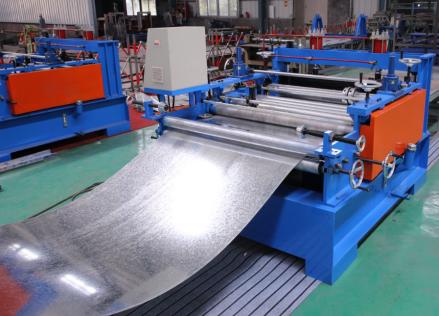
A Cut To Length Line changes rolled metal into flat sheets. These sheets have exact sizes. This machine does the work by itself. It unrolls, flattens, and cuts the metal. The pieces always match what you need. Companies use this process to work faster and better. When you use a Cut To Length Line, you get:
Better accuracy for each sheet
Faster work in your process
Saving money because there is less waste
Key Takeaways
A Cut To Length Line changes rolled metal into flat sheets. The sheets have exact sizes. This helps make things more accurate. It also helps cut down on waste.
Automation makes the process faster. It helps lower mistakes. This means results are always the same.
Keeping the Cut To Length Line in good shape is important. It helps the machine work well. It can also save money by stopping breakdowns.
Picking the right Cut To Length Line is important. You need to think about how thick the material is. You also need to choose the best cutting method. This makes work better and improves the product.
Buying a new Cut To Length Line can make things much faster. It can also lower costs. This helps companies stay ahead of others.
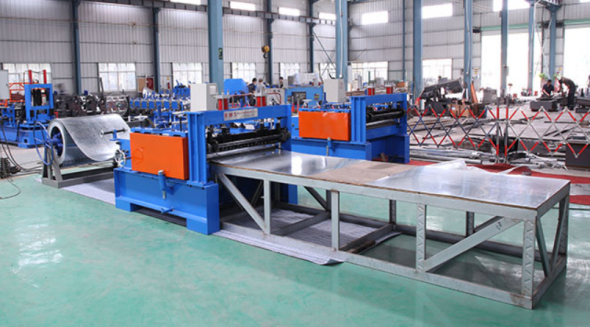
Cut To Length Line Process
Uncoiling and Feeding
You begin with a steel coil. The uncoiler opens the coil and pushes it into the Cut To Length Line. Tension control keeps the metal flat and stops it from breaking. The feeder moves at the same speed as the line. This helps everything run smoothly without stopping or getting stuck. Safety tools keep you and your team safe during this part. Automation makes this step quick and easy. You do not need to make many changes by hand, so results are always the same.
Tip: Using automated feeding helps stop mistakes and keeps your work fast.
Leveling and Pretreatment
The metal goes through the leveler and pretreatment unit next. The leveler uses rollers to make the sheet flat and remove bends or stress. You get sheets that are flat and ready for the next steps. Pretreatment cleans off dirt or coatings, so the sheets look nice and new. This part is very important for good quality. Flat sheets are better for laser cutting, stamping, and cladding. You do not get as many mistakes and the finish looks better every time.
Measuring and Cutting
The line checks each sheet with special sensors and gauges. You pick the length you want. The shear-to-length machine cuts the metal with lasers or plasma for smooth edges. Positioning systems line up the material before each cut. The system checks itself often to stay correct. If a sensor is wrong, the system fixes or changes it right away. Automation here means you always get the right size and almost no waste. You save money and make more sheets.
Stacking and Packaging
After cutting, the stacker lines up and piles the sheets neatly. Packaging keeps the sheets safe when moving them and stops scratches. This is very important for soft metals like aluminum and stainless steel. You keep your sheets in good shape and stop damage. The system checks if the sheets are lined up and flat at every step, so you meet high standards.
Process Step | Description |
Stacking | Makes sure cut sheets are lined up and flat to stop damage. |
Packaging | Keeps sheets safe when moving, keeping the surface nice. |
Protection of Surface | Very important for soft metals like stainless steel and aluminum. |
Note: Automated stacking and packaging let you handle more sheets every hour and save on labor costs.
Why Choose a Modern Cut To Length Line?
A modern Cut To Length Line works faster and gives better results. Old machines run at 150 feet per minute. New ones can go up to 630 feet per minute. Some high-speed lines can do 80 meters per minute. Automation and smart sensors help your work stay quick and correct. You spend less time fixing problems and more time making good products.
Picking a Cut To Length Line with smart automation helps you control quality, speed, and cost. You stay ahead of others in your field.
Types of Cut To Length Line
By Material Thickness
You need to pick the right Cut To Length Line for your metal’s thickness. Each type is made for a different job. Light gauge lines are good for thin metals like aluminum and stainless steel. Medium gauge lines can cut many kinds of metals and do it very well. Heavy gauge lines are strong enough to cut thick plates and bars. Look at the table below to see which line you should use:
Gauge Type | Applications |
Light Gauge | Good for surface-critical non-ferrous metals like stainless steel and aluminum. |
Medium Gauge | Can cut many ferrous and non-ferrous metals with high accuracy. |
Heavy Gauge | Used for Start Stop Plate Cut To Length and Continuous Feed Cut To Length. |
When you pick the right gauge, you get better results and save time.
By Shearing Method
How your line cuts metal changes how fast and how well it works. You can choose rotary shear, pendulum shear, or flying shear. Each one is good for different things. Flying shear cuts while the metal moves, so it is fast and good for big jobs. Pendulum shear swings down and cuts at a medium speed. Rotary shear stops and cuts, so it is the most accurate. Use the table below to compare them:
Feature | Rotary Shear (Stop-and-Go) | Pendulum Shear | Flying Shear |
Cutting Motion | Stops and cuts | Swings down | Cuts while moving |
Line Speed | Slow | Medium | Fast |
Cutting Accuracy | High | Medium | Medium |
Complexity | Simple | Medium | Hard |
Cost | Low | Medium | High |
Suitable for | Precise, thick sheets | Medium-speed jobs | Lots of cutting |
Pick the shearing method that matches how fast you want to work and how good you want your cuts.
Custom Solutions
You want your Cut To Length Line to fit your business needs. Custom features make your line smarter and safer. You can add double levelers to make sheets extra flat, lamination to protect the surface, or double stackers to pack faster. These upgrades help you make more sheets and keep your team safe. See how custom options can help you:
Special setups for unique jobs
Braner-built leveling for deep shape fixing
Safety systems to keep workers safe
Automation to stop mistakes and work faster
Precision cutting for exact sizes
Tip: Custom solutions help you fill more orders and meet tough rules. You stay ahead of other companies.
Benefits and Applications
Key Advantages
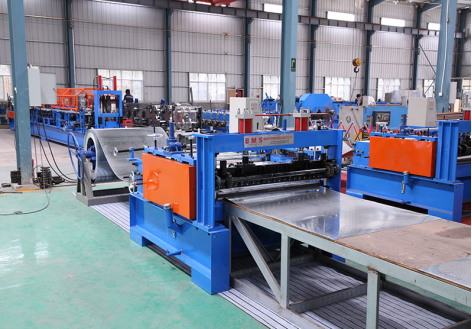
When you pick a Cut To Length Line, your business gets many good things. You always get sheets that are the right size. This helps you stop mistakes and makes your products the same every time. The machine does most of the work, so you finish jobs faster. You also save money because you use more of your materials and throw away less.
Did you know? New cutting methods can help you waste 25% less. Some new machines can cut waste by 20-40%. Old ways of cutting often waste over 20% of the metal. Coil-based systems can save up to 60% of your raw materials. You keep more of what you buy and do not spend as much on scrap.
Here are the main reasons why this is helpful:
Precision: Each sheet is the size you want.
Efficiency: You can make more sheets in less time.
Waste Reduction: You use more of your metal and throw away less.
Flexibility: You can cut different metals and sizes with one machine.
Industrial Uses
Many businesses use Cut To Length Line machines. They help make parts for cars, buildings, home appliances, and airplanes. You get good results if you need strong steel for building or smooth aluminum for furniture.
Industry | Applications |
Automotive | Makes exact metal parts for cars, like body panels and frames. |
Construction | Cuts metal sheets for roofs, walls, and building parts. |
Manufacturing | Makes metal parts for machines and home appliances. |
Aerospace & Defense | Makes parts that must be very good quality. |
In car factories, you use these lines to get metal and other sheets ready for body panels. You also use them for frames and inside parts. These machines help you meet tough rules for safety and quality.
Tip: If you want to make your factory better and beat other companies, get a Cut To Length Line. You will see better work and happier customers.
Safety and Maintenance
Safety Procedures
You need to keep yourself and your team safe when using a Cut To Length Line. Start by wearing the right gear. Put on your helmet, goggles, earplugs, gloves, and strong shoes before you start. Always follow the safety rules and know where the emergency stops are. Make sure safety guards are in place. If you see something unsafe, tell someone right away. Keep your work area clean so you do not slip or trip.
Tip: A clean workspace helps you stay safe and work faster.
Accidents can happen if you hurry or skip steps. Move tools and materials out of the way before you begin. Make sure every tool is set up right and held tight. Do not forget to check your tools often. If you rush, you could get hurt. Go slow and work at the speed you should.
Wear all safety gear before you start.
Follow all safety rules and emergency steps.
Keep safety guards in place.
Report dangers right away.
Clean your work area to stop accidents.
Set up tools right and check them often.
Do not rush your work.
Maintenance Tips
Doing regular maintenance keeps your Cut To Length Line working well. You save money and stop big problems. Use this table to help plan your checks:
Frequency | Task Description |
Daily | Clean blades, check for wear, oil moving parts. |
Weekly | Check alignment, look at blade space, review cuts. |
Monthly | Calibrate blades, check all systems closely. |
When you take care of the hydraulic system, you stop pump and valve problems. Keeping blades sharp saves money and stops you from buying new ones too soon. Make sure leveling rollers are lined up to avoid marks and uneven pressure. Calibrate encoders so every sheet is the right length. Doing checks on time costs less and keeps your line running longer than waiting for things to break.
Places that do regular maintenance have over 50% less downtime. Companies with a schedule can have up to 60% less machine downtime.
Finding problems early can cut maintenance costs by up to 35%. Industry 4.0 tools help you find issues before they get worse. You make more sheets and have fewer surprises.
Start now. Make a maintenance plan and teach your team. You will protect your machine and keep your line working its best.
When you pick a Cut To Length Line, you make more products. This process uses machines to do the work faster and more exactly. You spend less money because you waste less metal and need fewer workers. If you check your machines often and fix them, they work better and do not stop as much. Here is how your business can get better:
Benefit | Impact |
Faster Production | You can finish more orders with less work |
Cost Savings | You throw away less metal and pay less |
Reliable Performance | Machines break less and your products are better |
If you want to do well in manufacturing, focus on working fast and staying safe.
FAQ
What materials can you process with a Cut To Length Line?
You can use steel, aluminum, stainless steel, and other metals. Pick the right line for how thick your metal is. This lets you help more customers and grow your business.
How do you set the sheet length on the machine?
Type in the length you want on the control panel. Sensors and automation make sure each sheet is cut right. You get the same size every time.
Can you customize your Cut To Length Line?
Yes! You can add double levelers, lamination, or double stackers. Custom features help you work faster and keep products safe. Pick upgrades that fit what you want to do.
How often should you maintain your Cut To Length Line?
Clean your machine every day. Check blades and rollers once a week. Calibrate systems every month. Regular care keeps your line working well and saves money.
What industries use Cut To Length Lines?
These machines are used in cars, building, appliances, airplanes, and metal furniture. If you want better quality and faster work, you need a Cut To Length Line.

 日本語
日本語 한국어
한국어 ไทย
ไทย 繁體中文
繁體中文 العربية
 فارسی
فارسی Français
 Русский
 Español
 Português
 English
 Deutsch
 italiano
 Nederlands
 Tiếng Việt
 Polski
 Türkçe
 አማርኛ
አማርኛ ພາສາລາວ
 ភាសាខ្មែរ
 Bahasa Melayu
 ဗမာစာ
ဗမာစာ தமிழ்
தமிழ் Filipino
 Bahasa Indonesia
 magyar
 Română
 Čeština
 Монгол
 қазақ
қазақ Српски
 हिन्दी
 Kiswahili
 Slovenčina
 Slovenščina
 Norsk
Norsk Svenska
 українська
 Ελληνικά
 Suomi
Suomi Հայերեն
 עברית
עברית Latine
 Dansk
Dansk اردو
اردو Shqip
Shqip বাংলা
বাংলা Hrvatski
 Afrikaans
 Gaeilge
 Eesti keel
 Māori
Māori සිංහල
සිංහල नेपाली
 Oʻzbekcha
 latviešu
 অসমীয়া
 Беларуская мова
 Esperanto
 मराठी
मराठी پښتو
پښتو


