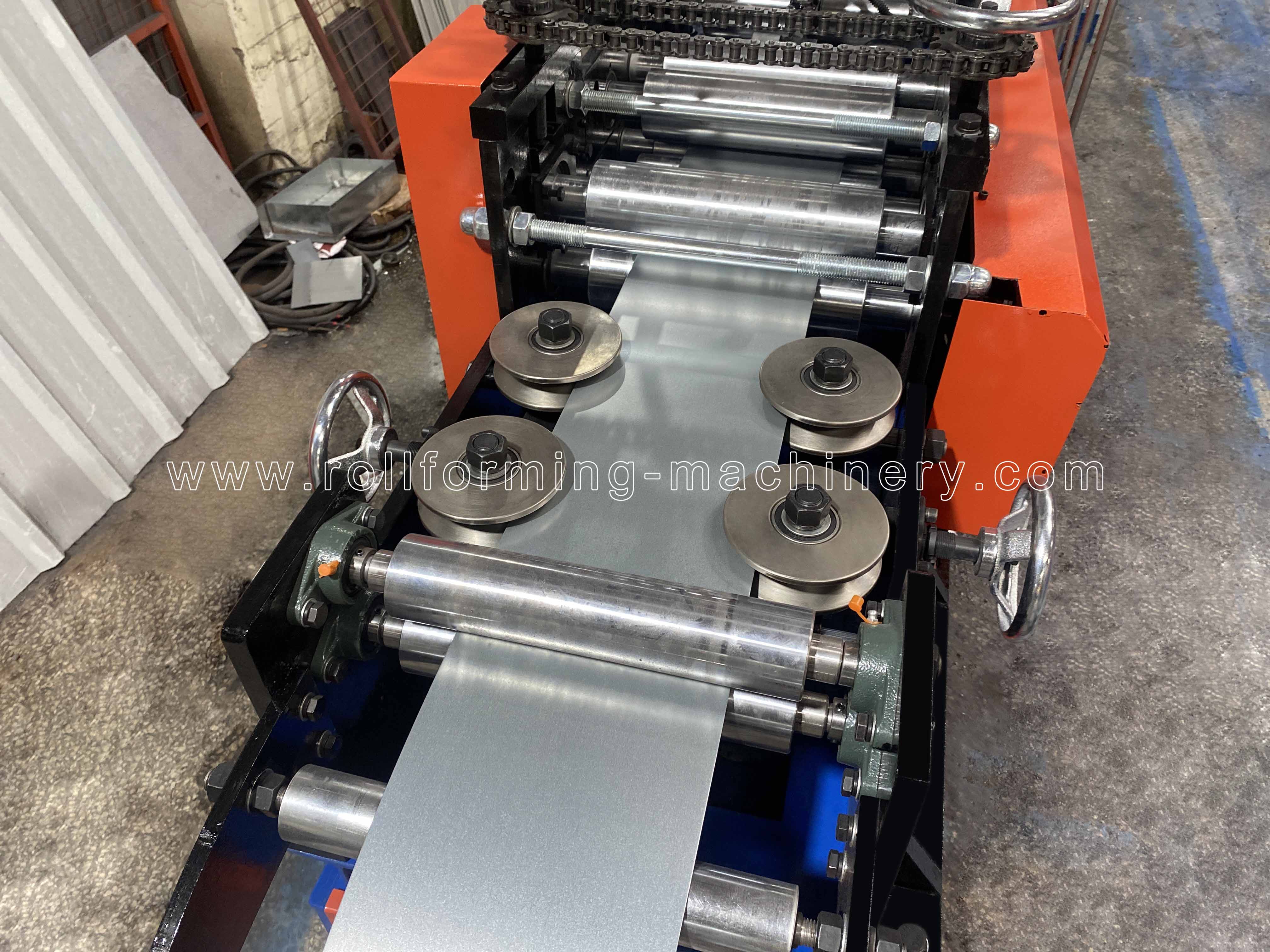
You can find three main types of beam roll forming machines. These are C beam, box beam, and step beam. A C beam roll forming machine shapes metal into a "C" profile. This shape is used a lot in building and storage systems. Box beam machines make closed, rectangle shapes for strong support. Step beam machines make beams with steps. These steps help spread weight evenly on racks. Knowing these differences helps you pick the right equipment. The right choice makes things safer, saves money, and helps you work faster. BMS ROLL FORMING MACHINERY is a trusted choice in this field.
Key Takeaways
There are three main types of beam roll forming machines. These are C beam, box beam, and step beam. Each type is used for different jobs and needs.
C beams are flexible and used in many building projects. Box beams are strong and good for heavy work. Step beams spread weight evenly in storage systems.
Picking the right machine can help save money. It can make work safer and help people do more. Think about how much you need to make, what materials you use, and if you need special features.
Keeping the machine in good shape is very important. Clean it every day and oil it every week. This stops problems and helps the machine last longer.
Safety should always come first when using machines. Wear safety gear and make sure guards are on. Get proper training to keep everyone safe.
Roll Forming Machines Overview
What Is Roll Forming?
Roll forming shapes long metal strips into strong forms. The metal goes through rollers that bend it a little at each step. This makes shapes like C beam for building and storage. Roll forming is fast and does not waste much metal. The bending keeps going, so it saves time and keeps quality high. Automation means you need fewer workers and every piece is made the same.
Did you know?
The roll forming machine market is growing quickly.
In 2024, it was worth USD 127.09 Million.
By 2032, it could reach USD 162.75 Million as it grows.
Another report says it may be USD 9.70 Billion in 2025, and USD 12.60 Billion by 2032.
How Roll Forming Machines Work
Roll forming machines have rollers that shape metal. You start with a coil of metal. The machine unwinds the coil and straightens the strip. Then it feeds the strip into rollers. Each roller bends the metal a bit more. At the end, you get the shape you want. You can make beams, channels, and other shapes. The metal stays cool, so you do not need to heat it.
Here are the main advantages of roll forming over other ways:
Advantage | Description |
Efficiency | Makes light metal shapes fast and in large amounts with less work. |
Accuracy | Gives exact shapes and sizes. |
Versatility | Works with many thicknesses and tricky designs. |
Cost-effectiveness | Cuts down on waste and lowers costs as you make more. |
Key Components and Workflow
A roll forming machine has many important parts. Each part helps the machine work well.
Component | Function | Role |
Machine Base | Holds everything steady | Keeps the process smooth and stable |
Roller Stands and Tooling | Guides and bends the metal | Shapes the product |
Drive System | Moves the metal strip | Controls how fast it goes |
Uncoiler | Holds and unwinds the coil | Feeds metal into the machine |
Cutting Press | Cuts the metal to the right length | Makes sure pieces are the right size |
Control System | Runs the machine | Checks quality and keeps things exact |
These are the steps in a roll forming workflow:
Put the coil on the decoiler.
Unwind the strip into the straightener.
Make the strip flat and fix any problems.
Feed the strip into the pre-punch press or the roll forming machine.
Use rolls to shape the strip.
Straighten the finished product.
Cut it to the right length and stack it.
Roll forming can make many shapes, like C beam, box beam, and step beam. This process helps make strong and exact parts for many jobs.
C Beam Roll Forming Machines
C Beam Machine Features
A C beam looks like the letter "C" from the side. A C beam roll forming machine bends flat metal strips into this shape. The machine pulls metal from a coil and pushes it through rollers. Each roller bends the metal a bit more. At the end, the metal is shaped like a C beam. You can change the machine to make different sizes or thicknesses. This lets you make beams for many kinds of jobs.
Tip:
You can make long C beams that are straight and smooth. These beams fit well and make your projects strong and easy to build.
C Beam Applications
C beams are strong but not heavy. You see them in many places. They are used in buildings and storage systems. Here are some ways people use C beams:
You can use C beams for small or big projects. They save time and money because you can make them fast and in many sizes.
Advantages and Drawbacks
C beam roll forming machines have many good points. The table below shows some main benefits:
Advantage | Description |
Cost Savings and Efficiency | Roll forming uses less work and less metal, so you save money. |
Precision and Consistent Quality | Machines make parts that are the right size every time, so there are fewer mistakes. |
Design Flexibility and Supply Independence | You can make custom shapes and lengths, so you do not need to wait for suppliers. |
On-Site and Off-Site Versatility | You can make beams at the factory or at the job site, which saves time and shipping costs. |
Sustainability and Waste Reduction | This way makes less waste, so it is better for the environment. |
Faster Construction and Higher Productivity | You can make parts quickly, so you finish building faster. |
You save money, get exact parts, and work faster. You can make many shapes and sizes. This helps you finish projects on time. C beam roll forming machines help you build strong and smart.
Box Beam Roll Forming Machines
Box Beam Structure
Box beams are closed shapes that look like rectangles. The roll forming machine bends metal strips into these strong shapes. The machine has rollers made from tough materials. These rollers help keep the work steady and exact. You can change the machine to make different sizes. Automation helps you get the right shape every time. The machine’s design gives you smooth and accurate beams. Box beams are good for jobs that need strength and a nice look.
Feature Description | Impact on Performance and Application |
High accuracy and automation | Helps you meet industry needs and use the machine in many areas |
Automatic size adjustment | Lets you make beams for different jobs fast |
Precise and attractive box beams | Makes sure your beams fit designs and stay strong |
Quality rollers for stability and precision | Keeps production steady and dependable |
Box Beam Applications
Box beams are used in many fields. You pick them when you need strong support and a clean look. Here are some ways people use box beams:
Construction: Box beams help build bridges and buildings. They give strength and hold things up.
Racking and Shelving: Box beams are used for heavy storage in stores and warehouses.
Transportation: You find box beams in trailers and vehicle frames. They help make vehicles light but strong.
Solar and Renewable Energy: Box beams hold up solar panels. They work well outside.
Note:
Box beams help you build safe things and hold heavy stuff. You can use them inside or outside.
Pros and Cons
Box beam roll forming machines have many good points. You can change sizes and still get exact beams. The beams look nice and are strong. The machine works fast and lets you switch sizes easily.
Pros | Cons |
Easy to change sizes | May use more material |
Very accurate and smooth beams | Big machines need more space |
Same quality and strong beams each time |
|
Used in many industries |
|
You get good results and can use box beams in lots of ways. The machine helps you follow rules and finish jobs quickly.
Step Beam Roll Forming Machines
Step Beam Design
Step beam roll forming machines make beams with a special stepped shape. This shape helps spread weight across shelves and racks. You can change the machine to make different sizes. This means you can meet many needs in the market. Some machines use welding devices with CO2 or argon gas. Other machines connect step beams without welding. This makes your workspace safer and better for the environment. You can use material that is up to 2mm thick. The main motor power is 30 kW, so the machine works strong and steady. Most machines have about 26 roll stations. They are about 16 meters long.
Feature | Description |
Size Capability | Makes many sizes of step beams |
Welding Options | Uses CO2 and argon welding devices |
Environmentally Friendly | Connects beams without welding for safety |
Material Thickness | Works with material up to 2mm thick |
Motor Power | Main motor power is 30 kW |
Roll Stations | Has about 26 roll stations |
Length | Is about 16 meters long |
Step Beam Uses
Step beams are used in many places. These beams help make strong and steady structures. Here are the main ways people use step beams:
Pallet Racking Systems: Step beams hold heavy pallets in warehouses. They keep storage safe and steady.
Industrial Racks: Factories use step beams for racks that hold heavy things.
Building Frames: Step beams give buildings strength and help them stay up.
Retail Displays: Stores use step beams for shelves that look nice and hold products well.
Tip:
Step beams help make storage safer and more neat. You can use them in warehouses, factories, and stores.
Benefits and Limitations
Step beam roll forming machines have many good points. They work fast and make beams very exact. Automation helps you make fewer mistakes and saves time. These machines help you save money when you make lots of beams.
Benefits | Limitations |
Efficiency | High setup costs |
Precision | Needs large machinery |
Cost-effectiveness |
|
Automation helps you do tasks with fewer mistakes.
You get exact and even beams every time.
You need to spend more money at first.
You need a lot of space for these big machines.
Step beam roll forming machines help you build strong racks and shelves. You can work faster and get better results, but you must plan for the cost and space.
Comparing C, Box, and Step Beam Machines
Structural Differences
You can see clear differences when you look at the shapes and designs of these beams. Each machine creates a unique profile that fits specific needs. C beam machines shape metal into an open "C" profile. This shape gives you a balance between strength and light weight. Box beam machines form closed, rectangular shapes. These beams offer the highest strength and stability. Step beam machines produce beams with a stepped design. The steps help spread weight across shelves and racks.
Take a look at the table below. It shows how thickness and load-bearing capacity compare:
Beam Type | Thickness Range | Load-Bearing Capacity |
Box Beam | 1.5-2.0mm | Strongest among types |
C Beam | N/A | N/A |
Step Beam | N/A | N/A |
Box beams stand out for their thickness and strength. You can use them for heavy-duty jobs. C beam and step beam machines focus more on flexibility and weight distribution.
Note:
Box beams give you the best support for large structures. Step beams help you build racks that hold weight evenly. C beams work well for lighter frameworks.
Performance and Cost
You want to know how fast these machines work and what features they offer. All three types—C beam, box beam, and step beam—deliver similar production speeds. You can expect speeds from 10 to 25 meters per minute. Each machine includes automatic punching and servo cutting systems. These features help you make beams quickly and with high precision.
Here is a table that compares performance metrics:
Beam Type | Production Speed (m/min) | Features |
C-Beams | 10-25 | Automatic punching and servo cutting systems |
Box Beams | 10-25 | Automatic punching and servo cutting systems |
Step Beams | 10-25 | Automatic punching and servo cutting systems |
You can save time and reduce errors with these machines. Automation makes your work easier and more consistent. The cost depends on the size and features of the machine. Machines with more automation and higher capacity usually cost more. You need to plan your budget based on your project needs.
Tip:
Choose a machine that matches your production volume. If you need to make many beams fast, look for high-speed options.
Best Use Cases
You need to pick the right machine for your job. Each beam type fits different projects. Step beam machines work best in multi-story buildings. The stepped design gives extra support where you need it most. Box beam machines are perfect for heavy-duty shelves and large structures. Their strength and mechanical stability make them ideal for big jobs. C beam machines suit lighter frameworks and storage systems. You can use them for purlins, wall studs, and roof trusses.
The table below shows typical use cases:
Beam Type | Use Case Description |
Step Beam | Suitable for multi-story buildings, providing support where reinforcement is needed due to its widening design. |
Box Beam | Ideal for heavy-duty shelves and large structures due to its high load-bearing capacity and mechanical strength. |
You can use step beams in warehouses and factories. Box beams fit bridges and large storage racks. C beam machines help you build fast and save material in smaller projects.
Callout:
Match your machine to your project. You get better results and save money when you choose the right beam type.
Choosing the Right Beam Roll Forming Machine
Key Selection Factors
You should think about a few important things before picking a beam roll forming machine. Each thing helps you get the best machine for your job. The table below shows what to check:
Factor | Description |
Production Volume | Pick machines that can make enough beams for your needs. |
Material Compatibility | Make sure the machine works with your metal type and thickness. |
Customization Options | Find machines that can change shapes and sizes easily. |
Reliability | Choose machines that last long and do not break often. |
Maintenance | Pick machines that are simple to clean and fix. |
You should also know what kind of beams you want to make. Decide which shapes you need. Check the metal type, how thick it is, and how wide. Think about how much you want the machine to change for different jobs.
Tip:
Write down your project goals and what materials you will use before you look for machines.
Common Mistakes to Avoid
People sometimes make mistakes when choosing a roll forming machine. You can avoid these problems if you know what to look out for:
Only picking the cheapest machine can cost more later. Cheap machines might use more power or break down more.
Picking a machine that only fits your needs now can be a problem later. You might need a bigger machine as your business grows.
Forgetting about tooling, software, and service can make things cost more and cause more stops.
Alert:
Always think about the total cost, not just the price. Plan for what you might need in the future and for good support.
Why Choose BMS ROLL FORMING MACHINERY
BMS ROLL FORMING MACHINERY gives you many good reasons to pick them. The table below shows why BMS is a smart choice:
Advantage | Description |
High Efficiency and Productivity | Makes lots of beams fast and does not stop much. |
Cost-Effectiveness | Saves money by using less work and less metal. |
Flexibility in Design and Materials | Lets you make tricky shapes and use different metals. |
Enhanced Quality and Consistency | Makes every beam the same and keeps quality high. |
Efficient Production of Complex Profiles | Makes hard shapes that other machines cannot do. |
Material and Cost Savings | Uses less scrap and less energy because it works cold. |
Versatility in Materials and Finishes | Works with many metals and finishes, saving time and effort. |
Consistency and Repeatability | Keeps making good beams for a long time. |
Length and Continuity of Products | Makes long beams that help build strong things. |
Reduced Need for Secondary Operations | Adds extra steps, so you finish faster and easier. |
You get machines you can trust, good help, and better results with BMS. BMS can help you reach your goals and help your business grow.
Maintenance and Best Practices
Maintenance Tips
You need to take care of your beam roll forming machine. Make a schedule and follow it every time. Clean the machine and check it every day. This helps you find problems before they get worse. Lubrication is important because it helps parts move easily. You should look at rollers and bearings often. If you see dirt or hear odd sounds, fix it right away. Calibrate the system once a month so your beams fit well.
Here is a table that shows what to do and when:
Maintenance Frequency | Tasks | Purpose |
Daily | Clean machine surface and rollers | Stops dirt from hurting how metal is shaped. |
| Check for unusual vibrations or noises | Finds problems with parts before they break. |
| Inspect lubrication levels | Makes sure rollers and bearings work right. |
| Ensure proper material feeding | Stops jams and keeps things lined up. |
| Check hydraulic and pneumatic systems | Helps cutting and punching work smoothly. |
Weekly | Lubricate rollers, bearings, and chains | Makes parts last longer and work better. |
| Inspect roller alignment | Keeps shapes correct and even. |
| Check electrical connections and sensors | Stops problems from loose wires. |
| Inspect hydraulic fluid levels | Helps cutting and punching work without trouble. |
| Tighten loose bolts and fasteners | Stops parts from shaking loose. |
Monthly | Calibrate the roll forming system | Makes sure shapes are always right. |
| Inspect cutting blades for wear | Stops rough edges and bad cuts. |
| Check roller wear and replace if needed | Keeps shapes perfect and stops mistakes. |
| Clean hydraulic and pneumatic systems | Stops leaks and keeps things running smooth. |
| Test emergency stop functions | Makes sure you can stop the machine fast. |
Tip:
Keep your machine clean and oiled to make it last longer. Checking it often helps you save money on repairs.
Safe Operation
You need to be careful when using a beam roll forming machine. Wear the right gear to keep yourself safe. Machine guards help keep your hands away from moving parts. Emergency stop buttons let you turn off the machine fast if needed. Training teaches you how to use the machine and what to do if something goes wrong.
Wear safety glasses, gloves, and boots with steel toes.
Use machine guards to keep hands safe from moving parts.
Make sure you can reach emergency stop buttons quickly.
Get training so you know how to use the machine safely.
Alert:
Never skip safety steps. Following these rules keeps everyone safe each day.
You now know the main differences between C beam, box beam, and step beam roll forming machines. Each machine fits a special job, from light frameworks to heavy-duty racks. Picking the right machine helps you work safer and faster. BMS ROLL FORMING MACHINERY gives you reliable machines with strong support and proven quality. To make a smart choice, check these points:
Consideration | Description |
Customization | Can the machine fit your needs? |
Support | Does the brand help with setup and service? |
Value | Is the price fair for what you get? |
Tip:
Always match your machine to your project needs and partner with a trusted manufacturer.
FAQ
What materials can you use in beam roll forming machines?
You can use steel, aluminum, or galvanized metal. Most machines work with many thicknesses. Always check the machine’s details before you begin.
How do you change the beam size or shape?
You move the rollers and tooling to change the size. Some machines let you switch sizes fast. You might need to reset the machine for new shapes.
How often should you maintain your roll forming machine?
Clean and check your machine every day. Oil moving parts once a week. Check for worn parts and reset the machine each month. Taking care of your machine helps it last longer.
Can you make custom beam profiles?
Yes! Many machines let you make special shapes. You can change the tooling and settings for your project.
What safety steps should you follow during operation?
Always wear safety gear.
Use machine guards to protect your hands.
Test emergency stops before you start.
Get training so you know how to use the machine safely.

 日本語
日本語 한국어
한국어 ไทย
ไทย 繁體中文
繁體中文 العربية
 فارسی
فارسی Français
 Русский
 Español
 Português
 English
 Deutsch
 italiano
 Nederlands
 Tiếng Việt
 Polski
 Türkçe
 አማርኛ
አማርኛ ພາສາລາວ
 ភាសាខ្មែរ
 Bahasa Melayu
 ဗမာစာ
ဗမာစာ தமிழ்
தமிழ் Filipino
 Bahasa Indonesia
 magyar
 Română
 Čeština
 Монгол
 қазақ
қазақ Српски
 हिन्दी
 Kiswahili
 Slovenčina
 Slovenščina
 Norsk
Norsk Svenska
 українська
 Ελληνικά
 Suomi
Suomi Հայերեն
 עברית
עברית Latine
 Dansk
Dansk اردو
اردو Shqip
Shqip বাংলা
বাংলা Hrvatski
 Afrikaans
 Gaeilge
 Eesti keel
 Māori
Māori සිංහල
සිංහල नेपाली
 Oʻzbekcha
 latviešu
 অসমীয়া
 Беларуская мова
 Esperanto
 मराठी
मराठी پښتو
پښتو


