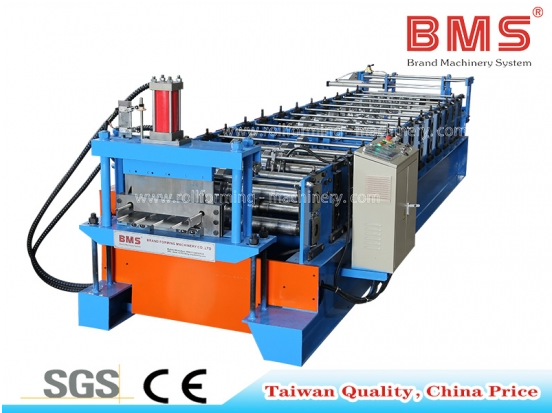
Standing seam metal roofing makes your house look modern and neat. It also gives great protection. You do not see any exposed fasteners. The panels have raised seams and a hidden system. This keeps the roof clean and helps stop leaks. It also stops damage from bad weather. Many people pick standing seam metal roofing for its strength. It saves energy and needs little care. This roof can handle heavy rain, snow, and strong winds. In the United States, more people are choosing this style. Most homes use steel for these roofs. You get a roof made with new technology like a Standing Seam Machine. This gives you a roof that looks good and lasts a long time.
Key Takeaways
Standing seam metal roofing looks modern and protects your house well. The hidden fasteners and raised seams stop leaks and make repairs easier. This type of roof can last 40 to 70 years, so it is a good long-term choice. You can pick from different panel widths and seam heights to match your style and weather. Snap-lock panels are simple to put in, but mechanical lock panels are stronger for flat roofs. Standing seam roofs bounce sunlight away, which can cut energy bills by up to 15%. Think about your roof’s slope and local weather before picking a standing seam system. Always get a skilled contractor to install your roof so it works well and lasts a long time.
Standing Seam Metal Roofing Overview
What Is Standing Seam?
Standing seam metal roofing is strong and looks modern. It stands out from other roofs. The panels are wide and flat. Raised seams run up and down the roof. These seams are important for keeping water out. They help keep your roof safe and dry. The fasteners are hidden under the seams. This gives the roof a clean look. The design is called a concealed fastener system. It helps stop leaks and damage. Standing seam metal roofing lasts for many years. It keeps your building safe.
Raised Seams and Concealed Fasteners
Raised seams and hidden fasteners make your roof strong. The seams connect each panel together. They stick up above the flat part of the roof. This makes a tight seal that blocks water and wind. You do not see screws or nails on top. Hidden fasteners mean fewer weak spots. There is less chance for leaks. You do not have to worry about repairs often. Your roof can handle bad weather. It stays strong year after year.
Here is a quick look at how these features help your roof:
Evidence Type | Description |
Water Infiltration Prevention | Hidden fasteners keep screws covered and lower leak risks. |
Maintenance Reduction | Fewer exposed fasteners means less loosening and less work needed. |
Weather Resistance | Panels lock together to block wind and keep out moisture. |
Longevity | Standing seam roofs last over 50 years with little care. |
Key Components
Standing seam metal roofing uses a few main parts. These parts make the roof strong and nice looking. Knowing these parts helps you pick the best roof for your home.
Component | Description |
Panels | The main part of the roof, put on from the bottom to the top. |
Seams | Raised seams join panels and keep water out. |
Fasteners | Hold panels down, usually hidden under the seams. |
Flashings | Waterproof pieces made for special spots on the roof. |
Panel Widths and Seam Heights
You can pick different panel widths and seam heights. Most panels are 12 to 18 inches wide. The most common width is 16 inches. Seam heights are usually 1 to 3 inches tall. Taller seams protect better against water and wind. You get a roof that fits your style and works well in any weather.
Striations and Rib Options
You can choose from different striation and rib styles. Striations are small, wavy lines on the panel. They help hide tiny flaws and make the roof look smooth. Stiffening ribs are raised lines that keep panels flat and strong.
Here are the most common choices:
Flat – No indents between the seams
Striated – Small, even lines in the panel
Ribbed – Shapes or indents between the seams
Pencil – Round indents in the panel
V-Ribs – “V” shaped indents in the panel
Bead – Long, rectangle indents in the panel
Clip relief – A rib next to the seam for a clip underneath
Striations help hide oil canning and make the roof look better. Stiffening ribs keep panels flat but do not hide flaws as well. You can pick the style that fits your needs.
Standing seam metal roofing gives you a roof that looks good and lasts a long time. It uses smart design and strong materials. If you want a roof that handles tough weather and stays nice, this is a great choice.
Panel Profiles and Seam Types
Snap-Lock Panels
Snap-lock panels make roofing simple and quick. You do not need special tools to put them on. You just snap the edges together by hand or with a little push. This system works best for homes with steep roofs, starting at 3/12 pitch or more. Snap-lock panels look neat and give strong protection. You save money because it takes less time to install. You also do not have to worry about exposed fasteners. This means fewer leaks and less fixing.
Tip: Snap-lock panels are great if you want a modern roof and fast setup. Pick this style for simple, steep roofs on houses.
Here is a quick look at snap-lock panels and mechanical lock panels:
Feature | Mechanical Lock Panels | Snap-lock Panels |
Installation Ease | Needs special tools and more work | Easier and faster to put on, no special tools |
Weather Resistance | Very high, good for tough weather | Good, but depends on roof slope and water flow |
Recommended Roof Pitch | Works for low-slope roofs (down to 2/12 pitch) | Best for steep roofs (3/12 pitch and higher) |
Long-term Performance | Very strong in heavy snow and wind | Strong but not as secure as mechanical lock panels |
Cost | Higher because of more work and tools | Lower because it goes on faster |
Mechanical Lock Panels
Mechanical lock panels give extra strength and safety. You use a tool to fold and lock the panel edges. This way works well for low-slope roofs, even down to 2/12 pitch. Mechanical lock panels protect your house in hard weather, like lots of snow or strong wind. Your roof stays dry and safe for many years. It takes more time and skill to put on, but you know your roof can handle tough weather.
Single Lock vs. Double Lock
You can pick single lock or double lock seams. Single lock seams use one fold at a 90-degree angle. Double lock seams use two folds at a 180-degree angle. Double lock seams give the best weather protection. They are best for low-slope roofs and places with freezing and thawing. Single lock seams are easier to fix and change, but double lock seams keep water out better.
Note: If you live where winters are harsh or it rains a lot, double lock mechanical panels protect best from leaks and wind.
Batten Panel Systems
Batten panel systems have a special look and are easy to put on. These panels use raised battens to make clear lines between each panel. Fasteners and clips stay hidden under the panels, so your roof looks smooth and nice. Batten panel systems do not need a solid base, so you can use them on many buildings. You get great water control and the roof can expand and shrink as needed. The system lets you put on the panels in one piece, which saves work and time.
Here are the main good things about batten panel systems:
Raised battens make strong, clear lines.
Hidden fasteners make the roof look better.
One-piece setup saves money on work.
Pick batten panel systems if you want a roof that looks good, works well, and is easy to put on. You get a roof that handles water well and changes with the weather, keeping your house safe and dry.
Nail Flange Profiles
Nail flange profiles give you a simple way to get a standing seam roof. You do not need special clips or many extra parts. You fasten the panels right through the edge, then snap the next panel over the top. This hides the fasteners and keeps your roof looking smooth. If you want a metal roof that goes on quickly and costs less, nail flange profiles can help you reach your goal.
You will like how fast you can finish your roof with this system. The panels go on quickly. You do not need to spend extra money on clips or special tools. This means you save on labor and materials. Many homeowners choose nail flange profiles for these reasons. You get a clean look and a strong roof without a big price tag.
Tip: If you want to upgrade your home’s look and save money, nail flange profiles offer a smart solution for many residential roofs.
Here is a quick look at the main pros and cons:
Advantages | Disadvantages |
Lower costs due to fewer clips and accessories | Higher potential for panels becoming loose or detached |
Faster installation times | Increased maintenance requirements |
Suitable for residential roofs | Limitations in engineering and suitability for low-pitch roofs |
You should know how nail flange profiles work before you choose them. The fastener head holds the panel in place. Over time, strong winds or heavy rain can put stress on these fasteners. This can cause the panels to loosen or even detach. Nail flange profiles are not usually engineered for extreme weather. If you live in a place with hurricanes, hail, or heavy snow, you may want to pick a different profile.
Nail flange profiles work best on roofs with a steeper pitch. They do not perform well on low-slope roofs. Water can collect and cause leaks if the roof is too flat. You want your roof to shed water fast, so always check your roof’s slope before you decide.
Roof performance depends on the fastener head. Strong winds or heavy rain can loosen panels.
Nail flange profiles are not designed for extreme weather. They are not the best choice for harsh climates.
These profiles do not work well on low-slope roofs. Water can pool and cause leaks.
You want a roof that lasts and protects your home. Nail flange profiles give you a fast, affordable option for many homes. If you live in a mild climate and have a roof with a good slope, this profile can work well for you. Always talk to a roofing expert before you decide. They can help you pick the best profile for your needs and your budget.
If you want a roof that looks modern, installs quickly, and saves you money, nail flange profiles are a smart choice for many homeowners. Make your home stand out and enjoy the benefits of a metal roof today.
Standing Seam Machine and Manufacturing
On-Site vs. Factory Forming
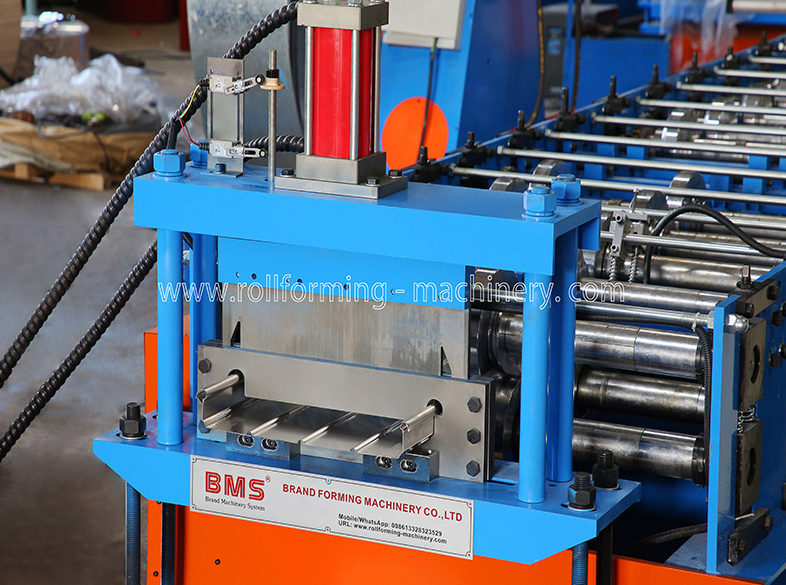
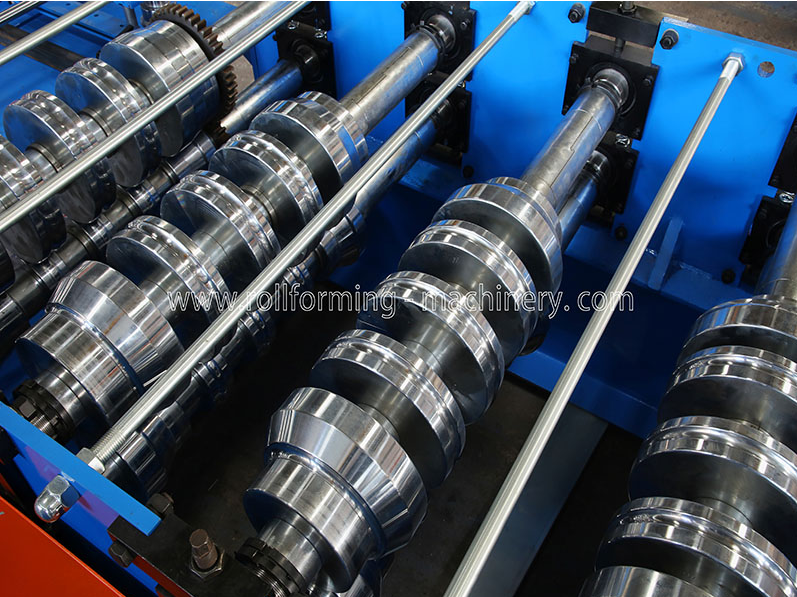
You want your roof to last a long time. The standing seam machine helps make strong panels. It shapes flat metal into panels with raised seams. These panels fit your roof well. You can make panels at your house or in a factory.
Here is a quick comparison:
Aspect | On-Site Production | Factory-Formed Panels |
Quality Control | Harder to keep panels the same | Panels are made the same way each time |
Transportation Costs | Costs less because panels are made nearby | Costs more because panels are shipped |
Labor Requirements | Needs skilled workers at your house | Needs fewer skilled workers at the factory |
Customization | Easier to change, but may need fixes | Fewer ways to change panels |
Making panels at your house costs less to move them.
You need skilled workers and the machine for on-site jobs.
Factory panels are good for big jobs. They are made fast and look the same.
The standing seam machine lets you choose what you want. You can make panels that fit your roof’s size and shape. You get the look you want.
Panel Sizing and Thickness
You want panels that are strong and look nice. The standing seam machine lets you pick the size and thickness. Most roofs use 24-gauge Galvalume. This is about 0.023 inches thick. It is strong and does not bend easily. You can also pick:
26-gauge panels are thinner and not used much.
22-gauge panels are thicker, cost more, and help stop oil canning.
The machine shapes each panel to fit your roof. Your panels stand up to wind, rain, and snow. Thicker panels last longer and are harder to damage.
Material Options
Steel, Aluminum, Copper, Zinc
You want a roof that looks good and lasts. The standing seam machine works with many materials. Each material has special things it does well.
Material | Expected Lifespan | Warranty Typical |
Galvalume Steel | 40-60 years | 30-40 year paint warranty |
Aluminum | 50-70+ years | 35-50 year warranty |
Copper | 80-100+ years | Lifetime (material) |
Zinc | 80-100+ years | Lifetime (material) |
Aluminum does not rust and is good near the ocean.
Copper lasts a long time and turns green over time.
Zinc can fix itself and is good for nature.
The standing seam machine lets you pick the best material. You get a roof that saves energy and looks nice. Your roof stands up to bad weather and lasts many years.
Tip: Pick the right material and thickness with your contractor. The standing seam machine gives you choices for your budget and style.
The standing seam machine makes your roof strong and nice. You get to choose every detail. Your home looks great and stays safe for a long time.
Advantages of Standing Seam Roofing
Durability and Weather Resistance
You want a roof that can handle tough weather. Standing seam metal roofing is very strong. The panels fit together tightly, so wind and rain stay out. The fasteners are hidden, which keeps the roof smooth and sturdy. You do not have to worry about leaks or screws coming loose.
Here is how standing seam metal roofing compares to other roofs:
Roofing Material | Average Lifespan (Years) |
Standing Seam Metal Roof | 40 to 70 |
Asphalt Shingles | 20 to 30 (up to 40 for high-quality) |
Screw-Down Metal Roofing | 20 to 30 |
Flat Roof Systems | 20 to 30 |
This type of roof gives you real advantages. It can last two times longer than many other roofs. You save money and do not need to replace your roof often. Standing seam metal roofing is a smart choice because it lasts a long time.
Standing seam metal roofing works well in bad weather. Here is what you can expect from this roof:
Weather Condition | Performance Characteristics |
Heavy Rain | Stays watertight for many years. The panels lock together and hidden fasteners stop leaks. |
Wind | Can handle winds up to 140 mph. It is made to resist being lifted or damaged by flying things. |
Hail | Has a Class 4 rating for impact. It stays strong even if hail dents it. |
You can count on this roof to keep your home safe all year.
Energy Efficiency and Modern Look
You want a roof that helps save energy and looks nice. Standing seam metal roofing reflects sunlight and keeps your house cooler. This means you use less air conditioning. Some roofs reflect up to 70% of the sun’s rays. Light colors and special coatings work even better. They can make your roof up to 50°F cooler than asphalt shingles.
Many standing seam roofs have insulation or coatings that reflect heat.
Better insulation means you pay less for heating and cooling. You might save up to 15% on your energy bills.
These roofs meet cool roofing rules. They reflect more sunlight and take in less heat.
Standing seam metal roofing gives your house a modern look. The lines are clean and the finish is smooth. You can pick from many colors and styles. Your roof will look good for years and make your home worth more.
Low Maintenance and Warranties
You want a roof that is easy to take care of. Standing seam metal roofing does not need much work. You only need to:
Check for loose panels or fasteners.
Clear off leaves and branches so water does not build up.
Look for damage after storms.
Paint or coat the roof again if needed to protect it.
Many standing seam roofs come with strong warranties. These warranties promise your roof will not leak for many years if installed right. You can relax knowing your roof is covered. With standing seam metal roofing, you do less work and have more time to enjoy your home.
Mounting Options and Architectural Freedom
You want a roof that does more than just protect your home. Standing seam metal roofing gives you the freedom to add new features and express your style. You can mount solar panels, snow guards, satellite dishes, and even walkways—without making holes in your roof. This means you keep your roof watertight and strong for years.
Most standing seam roofs use special clamps and brackets that grip the raised seams. You do not need to drill or puncture the panels. This keeps your roof safe from leaks and damage. You can add or move accessories at any time. If you want to install solar panels, you have many choices. Top brands like S-5! and AceClamp offer engineered mounting kits that fit perfectly on standing seam roofs. These kits use non-penetrating clamps, so you get a fast, simple setup.
Tip: Non-penetrating clamps save you money on labor and repairs. They also protect your roof warranty.
Here are some popular mounting options for solar panels and accessories:
ClickFit
ClickFit Smart Foot
RockIt
RockIt Smart Slide
RibFit
44-R
CorruSlide
ECO-65
GF-1
QB-1
SimpleBlock-U
SimpleGrip-SQ
SimpleSeal
Tile Hook Flashing
TR-Mount
Conduit Mount Comp
Conduit Mount Tile
Junction Box
Side Clip & Mid Clip
Smart Conduit Mount
You can use these systems to attach almost anything you need. The AceClamp L-foot PV mounting kit works well for tall profile snap-lock standing seam roofs. It uses clamps that do not pierce the metal. This makes installation quick and easy. S-5! also provides mounting solutions for solar panels and other rooftop equipment. Their products help you get the best performance and keep your roof looking great.
Standing seam metal roofing also gives you more design freedom. You can choose from many colors, finishes, and panel shapes. Architects love this roof because it works with modern, classic, or custom designs. You can cover complex roof shapes, curves, and angles. The panels fit together smoothly, so your roof always looks clean and sharp.
Note: If you want to add solar panels, snow guards, or other features, standing seam metal roofing makes it simple. You get a roof that adapts to your needs and your style.
With standing seam metal roofing, you do not have to choose between function and beauty. You get both. Your roof becomes a platform for new ideas and upgrades. You can change your home’s look or add new technology at any time. This flexibility adds value to your property and makes your life easier.
Disadvantages and Considerations
Cost and Labor Intensity
You want a roof that lasts, but you also care about your budget. Standing seam metal roofing costs more than most other options. The price per square foot ranges from $10 to $30. This is much higher than asphalt shingles, which cost $3 to $5 per square foot. Even wood shakes and concrete tiles cost less. Take a look at this comparison:
Roofing Material | Average Installed Cost/Sq Ft |
Asphalt Shingles | $3 – $5 |
Wood Shakes | $6 – $10 |
Concrete Tile | $8 – $15 |
Standing Seam Metal Roof | $10 – $30 |
Slate | $20 – $40 |
You pay more up front for standing seam metal roofing. However, you get a roof that lasts much longer and needs less care. Over time, you may save money because you do not have to replace your roof as often.
Installation Complexity
Standing seam metal roofing needs skilled workers and careful planning. The installation process is not simple. Each panel must fit perfectly to keep water out. The roof’s shape and pitch can make the job even harder. If your roof has many angles or a steep slope, the work takes more time and skill.
Here are some reasons why installation is complex:
Factor | Description |
Installation Complexity | The process is detailed and requires more labor. |
Roof Structure | The shape and slope of your roof can make the job harder. |
Installation Method | Each panel must connect tightly for a water-tight seal. |
You need a contractor who knows how to install this type of roofing. Not every roofer has the right experience. If you pick the wrong installer, you risk leaks and other problems. Always choose a professional with a proven track record in metal roofing.
Repair and Replacement Challenges
Standing seam metal roofing is tough, but repairs can be tricky. If a panel gets damaged, you cannot just patch it like you would with shingles. You often need to remove panels from the edge of the roof all the way to the damaged spot. This takes more time and costs more money.
Common challenges include:
Higher cost for repairs
More difficult installation for replacement panels
Oil canning (visible waviness in the metal)
Lack of availability for matching panels
Limited options for quick fixes
You may also find it hard to match the color or style if you need to replace a panel years later. Sometimes, you must identify the exact cause of a leak before you can fix it. This can take extra time and skill. Traditional standing seam roofs often require you to remove several panels just to reach the problem area. This makes repairs more labor-intensive and complex than with other roofing types.
Tip: Always ask your contractor about repair options before you choose standing seam metal roofing. Knowing what to expect helps you plan for the future.
Slope and Application Limits
You want your new roof to work perfectly in every season. The slope of your roof plays a big role in how well standing seam metal roofing performs. If you pick the right slope, you get a roof that sheds water fast and stays strong for decades. If you choose the wrong slope, you risk leaks, pooling water, and costly repairs.
Standing seam metal roofing does not fit every roof shape. You need to know the limits before you decide. Each panel system has its own slope requirements. Some work well on low slopes, while others need a steeper pitch. Take a look at this table to see the minimum and maximum slopes for popular standing seam systems:
Type of Standing Seam System | Minimum Slope | Maximum Slope |
Mechanically Seamed | 0.25:12 | 3:12 |
Snap-Lock | 2:12 | 3:12 |
Mechanically seamed panels give you the most flexibility. You can use them on very low-slope roofs, even as low as 0.25:12. This means you can cover flat or nearly flat buildings, like warehouses or modern homes. Snap-lock panels need a steeper slope. You must have at least a 2:12 pitch for these panels to work well. If your roof is too flat, water will not drain fast enough. This can lead to leaks and damage.
Tip: Always measure your roof’s slope before you choose a standing seam system. If you are not sure, ask a roofing expert to help.
You should also think about your local weather. Heavy rain, snow, or ice can put extra stress on your roof. A steeper slope helps water and snow slide off quickly. This keeps your roof dry and safe. If you live in a place with lots of snow or rain, pick a system that matches your climate.
Standing seam metal roofing works best on simple roof shapes. Complex designs with many valleys, dormers, or curves may need special planning. You want every panel to fit tight and shed water the right way. If your roof has lots of angles, talk to a professional before you start.
Here are a few things to remember:
Mechanically seamed panels work for low-slope and flat roofs.
Snap-lock panels need a steeper pitch for best results.
Always check your roof’s slope before you buy.
Consider your local weather and roof shape.
You deserve a roof that protects your home and adds value. When you match the right standing seam system to your roof’s slope, you get a roof that lasts for decades. Make the smart choice and enjoy peace of mind, no matter what the weather brings.
Roofing Comparisons
Standing Seam vs. Asphalt Shingles
You want a roof that lasts and protects your home. Standing seam metal roofing gives you a strong, modern look. Asphalt shingles are the most common roofing choice in the United States. They cost less at first, but you need to replace them more often. Standing seam metal roofing costs more up front, but you save money over time because it lasts much longer.
Take a look at this table to see the main differences:
Feature | Standing Seam Metal Roofing | Asphalt Shingles (3-tab & Laminate) |
Lifespan | 50+ years | 20–30 years (real-world avg: ~15-20 yrs) |
Cost (Initial) | Higher upfront | Lower upfront |
Cost (Lifetime) | Lower, one install in 50+ yrs | Higher, 2+ installs in the same period |
Standing seam metal roofing gives you better protection from wind, rain, and hail. You do not have to worry about loose shingles or leaks. You also get a roof that looks clean and modern. If you want to invest in your home’s future, choose standing seam metal roofing for long-term value.
Standing Seam vs. Corrugated Metal
You might think all metal roofing is the same, but there are big differences. Standing seam metal roofing uses hidden fasteners, so your roof looks smooth and stays watertight. Corrugated metal roofing has exposed fasteners, which can let water in and need more repairs.
Here are the main differences:
Appearance: Standing seam metal roofing gives you a sleek, modern look. Corrugated metal roofing looks rugged and industrial.
Fastener System: Standing seam metal roofing hides the fasteners under the seams. Corrugated metal roofing shows the screws on top.
Cost: Standing seam metal roofing costs more, but it lasts longer and needs less fixing.
Check out this table for more details:
Feature | Standing Seam Metal Roofing | Corrugated Metal Roofing |
Installation Process | More complex, needs skilled professionals | Easier, often DIY-friendly |
Weather Resistance | Superior resistance to water and wind | More prone to leaks from exposed fasteners |
Lifespan | 40 to 70 years, minimal maintenance | 30 to 45 years, more frequent maintenance |
Cost | Higher, better long-term value | Lower, but higher maintenance costs |
You want a roof that keeps your home safe and dry. Standing seam metal roofing gives you better weather protection and a longer lifespan. Corrugated metal roofing costs less, but you may spend more on repairs. If you want a roof that looks great and lasts, standing seam metal roofing is the smart choice.
Standing Seam vs. Tile and Slate
You may like the classic look of tile or slate roofing. These materials last a long time and look beautiful. However, they are heavy and need more care. Standing seam metal roofing gives you a lighter roof that is easier to install and maintain.
Here is a quick comparison:
Feature | Metal Roofing | Tile Roofing (Clay/Concrete) |
Avg. Lifespan | 40-70+ years (some 100+) | 50-100+ years |
Maintenance | Low | Moderate (check underlayment, tiles) |
Repairs | Infrequent, often localized | Can be costly if tiles break |
Standing seam metal roofing usually costs more to install than tile roofing, but you save money over time. Metal roofing needs less maintenance and fewer repairs. You do not have to worry about broken tiles or heavy weight on your house. If you want a roof that is easy to care for and lasts for decades, standing seam metal roofing is a great option.
Tip: Standing seam metal roofing gives you a modern look, strong protection, and low maintenance. You get peace of mind and a roof that adds value to your home.
What Sets Standing Seam Apart
You want a roof that stands out for all the right reasons. Standing seam metal roofing gives you advantages that other roofing systems simply cannot match. When you choose this type of roof, you invest in technology, performance, and style that set your home apart.
Take a look at how standing seam metal roofing compares to other options:
Feature | Standing Seam Metal Roofing | Other Roofing Systems |
Expansion/Contraction Ability | Yes | No (pinned fasteners) |
On-Site Panel Production | Yes (up to 250') | No |
Weather Tightness Warranties | Yes | Often No |
Extensive Testing | Yes | Less rigorous |
Weather Resistance | Excellent | Varies |
Energy Efficiency | High (40% savings) | Varies |
Sleek Appearance | Modern and sophisticated | Varies |
You get a roof that moves with the weather. Standing seam panels expand and contract as temperatures change. This means your roof stays strong and does not crack or warp. Other roofs use pinned fasteners that can pull loose or cause leaks over time.
You also enjoy the benefit of on-site panel production. Installers can make panels up to 250 feet long right at your home. This means fewer seams and less chance for leaks. Most other roofing systems use pre-cut pieces that may not fit perfectly.
Standing seam metal roofing comes with weather tightness warranties. You get peace of mind knowing your roof will not leak. Many other roofs do not offer this level of protection. Manufacturers test standing seam systems to high standards. Your roof stands up to heavy rain, strong winds, and even hail.
You want a roof that saves you money. Standing seam metal roofing reflects sunlight and keeps your home cooler. You can save up to 40% on energy bills. Other roofs may absorb heat and make your house warmer in summer.
The look of your home matters. Standing seam metal roofing gives you a modern, clean style. The lines are straight and the finish is smooth. This roof adds value and curb appeal to any property.
Here is why you should choose standing seam metal roofing:
Weather resistance: Handles extreme weather, including heavy rain and high winds.
Energy efficiency: Reflects solar heat and lowers cooling costs.
Sleek appearance: Gives your home a modern look that increases value.
Long panels: Fewer seams mean fewer leaks.
Warranties: You get strong protection for years.
Tip: If you want a roof that lasts, looks great, and saves you money, standing seam metal roofing is the smart choice. Make your home stand out and enjoy the benefits for decades.
You deserve a roof that works as hard as you do. Choose standing seam metal roofing and see the difference every day.
Is Standing Seam Roofing Right for You?
Ideal Applications
You want a roof that matches your style and protects your home. Standing seam roofing works best for certain building types and designs. If you have a modern or contemporary house, this roofing gives you a sleek, clean look. It also fits well with industrial, modern farmhouse, mountain modern, updated traditional, and cutting-edge contemporary styles.
If your home has flat surfaces or low slopes, standing seam roofing seals tightly and keeps water out. This makes it a smart choice for many new builds and remodels. You also get a roof that stands up to strong sun, storms, and wildfire risks. The hidden fasteners and sealed seams protect your home from heavy rain, wind, and flying embers.
Factors to Consider
Before you choose standing seam roofing, think about your needs and your home’s design. Use this table to help you decide:
Factor | Description |
Experience with Metal Roofing | Pick a contractor who knows how to install standing seam roofing. |
Licenses and Insurance | Make sure your contractor has the right licenses and insurance for your protection. |
Portfolio of Previous Work | Ask to see other roofing jobs they have done. |
You should also ask yourself these questions:
Does your home have a modern look? Standing seam roofing fits best with sleek, simple lines.
Do you want a roof that handles flat or low-slope surfaces? This roofing works well in those cases.
Do you live in an area with strong sun, storms, or wildfire risk? Standing seam roofing gives extra protection.
Do you want to add solar panels or other features? You can use nonpenetrating clamps, so you do not need to drill holes.
Are you looking for low upkeep and long-term value? This roofing needs little care and can boost your home’s resale value.
Are you on a tight budget or roofing a shed? Corrugated metal might be a better fit for short-term or low-cost projects.
Questions for Your Contractor
You want the best results for your new roof. Ask your contractor these important questions before you start:
Will you provide a written estimate for my metal roof?
Are you experienced with installing metal roofs?
Will you remove my old roof?
Do you use roofing subcontractors?
Do you offer a warranty for your work?
What metal roofing projects have you done in my area?
Tip: Always choose a contractor who answers your questions clearly and shows examples of their work. This helps you feel confident in your roofing investment.
Standing seam roofing can give your home a modern look, strong protection, and long-lasting value. If you want a roof that stands out and keeps your home safe, this option could be the perfect fit for you.
Standing seam roofing makes your house look new and protects it well. The fasteners are hidden, and the seams are raised. The panels can last for many years. This type of roof is strong and saves energy. You can also add new things to your roof easily. Before you pick this roof, think about how much it costs. You should also think about how hard it is to put on and fix.
Ask a roofing expert for help. You want a roof that fits your home and your budget.
FAQ
What makes standing seam metal roofing better than shingles?
You get a roof that lasts longer and needs less care. Standing seam metal roofing resists leaks and wind. You enjoy a modern look and save money over time. Choose this roof for real peace of mind.
Can you install solar panels on a standing seam roof?
Yes! You can add solar panels easily. Special clamps attach to the seams. You do not need to drill holes. This keeps your roof strong and leak-free.
How long does a standing seam metal roof last?
You can expect your roof to last 40 to 70 years. Some roofs last even longer. You will not need to replace it often. This saves you money and stress.
Does standing seam metal roofing work in snowy or rainy areas?
Absolutely. The panels lock tightly. Water and snow slide off fast. You avoid leaks and heavy buildup. Your home stays safe and dry all year.
Is standing seam metal roofing noisy during rain?
No, you will not hear loud noise. Proper insulation and underlayment keep your home quiet. You enjoy comfort even during heavy rain.
Can you walk on a standing seam metal roof?
Yes, you can walk on it with care. Always step on the flat parts between seams. Wear soft-soled shoes. Ask your roofer for safety tips.
What colors and styles can you choose?
You have many choices! Pick from a wide range of colors and finishes. Match your home’s style. Standing seam metal roofing fits modern, classic, or custom designs.
Do you need a special contractor for installation?
Yes. Always hire a contractor with experience in standing seam metal roofing. Skilled installers make sure your roof lasts and looks great.

 日本語
日本語 한국어
한국어 ไทย
ไทย 繁體中文
繁體中文 العربية
 فارسی
فارسی Français
 Русский
 Español
 Português
 English
 Deutsch
 italiano
 Nederlands
 Tiếng Việt
 Polski
 Türkçe
 አማርኛ
አማርኛ ພາສາລາວ
 ភាសាខ្មែរ
 Bahasa Melayu
 ဗမာစာ
ဗမာစာ தமிழ்
தமிழ் Filipino
 Bahasa Indonesia
 magyar
 Română
 Čeština
 Монгол
 қазақ
қазақ Српски
 हिन्दी
 Kiswahili
 Slovenčina
 Slovenščina
 Norsk
Norsk Svenska
 українська
 Ελληνικά
 Suomi
Suomi Հայերեն
 עברית
עברית Latine
 Dansk
Dansk اردو
اردو Shqip
Shqip বাংলা
বাংলা Hrvatski
 Afrikaans
 Gaeilge
 Eesti keel
 Māori
Māori සිංහල
සිංහල नेपाली
 Oʻzbekcha
 latviešu
 অসমীয়া
 Беларуская мова
 Esperanto
 मराठी
मराठी پښتو
پښتو


