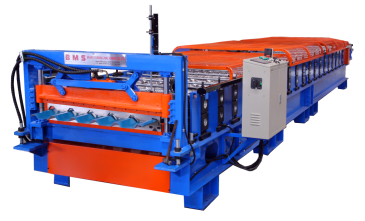
You should consider several factors before selecting a metal forming process. The best choice depends on the complexity of your part, the quantity needed, the material selected, and your budget. The table below highlights the main differences between Metal Stamping vs. Roll Forming, comparing speed, cost, and the ease of changing shapes.
Factor | Metal Stamping | Roll Forming |
Productivity | Great for big batches | Great for long pieces |
Shape Complexity | Good, but not as flexible | Very flexible |
Dimensions | Shorter parts | Long, continuous pieces |
Budget | Cheaper for lots of parts | Cheaper per item in bulk |
BMS Machinery is a leading provider of roll forming solutions. Consider these factors to determine the method that best suits your needs.
Key Takeaways
Think about how hard your part is to make. Metal stamping works best for simple shapes. Roll forming is better for tricky designs.
Look at how many parts you need. Metal stamping is great for making lots of small parts. Roll forming is good for making long pieces that do not stop.
Check your budget. Metal stamping costs more at first for tools. Roll forming can save money if you make a lot because there is less waste.
Pick the right material. Both ways work with many metals. Make sure the metal fits the method you pick for the best results.
Think about if you will change the design. Roll forming lets you change things easier while making parts. Metal stamping needs new dies for new shapes.
Focus on speed and how well it works. Metal stamping is faster for small parts. Roll forming can make long parts without stopping.
Think about the environment. Roll forming makes less waste and uses less energy. This makes it better for the planet.
Talk to experts. BMS Machinery can help you pick the best way. They can also give you special solutions for your needs.
Metal Stamping Basics
What Is Metal Stamping
Metal stamping shapes flat metal sheets into forms. It is a big part of making metal products. Factories use dies and presses to turn metal into parts. This method is good for making many of the same part. Metal stamping gives strong and repeatable results. You can make simple or complex shapes with it. Many factories use this process all over the world.
How Metal Stamping Works
Metal stamping has steps to make finished parts. First, you start with a flat strip of metal. The steps are:
Stock strip layout and design: You plan how the metal strip will look. You pick the size, shape, and how close the parts must match.
Die set machine: Special machines make dies. Dies shape the metal very carefully. Many jobs need parts that are very exact.
Finishing processes: You finish the parts to make them look and work better. You might polish, coat, or treat them in other ways.
You can use many metals for metal stamping. Aluminum alloys are light and do not rust easily. Coated steel is good for big batches and protects the metal. Nickel alloys and titanium work in tough places. Carbon steel is strong and used for simple parts. Stainless steel does not rust and works outside or in medical tools. Copper alloys are great for carrying electricity. Brass is good for looks or for electric parts.
Material | Conductivity | Corrosion Resistance | Cost | Formability | Typical Use |
Carbon steel | Low | Low | Low | High | Structural parts, brackets |
Stainless steel | Low | High | Medium | Medium | Medical, outdoor parts |
Copper | Excellent | Medium | Medium-high | High | Electrical connectors |
Brass | Good | Medium | Medium | High | Terminals, decorative parts |
Aluminum | Medium | High | Medium | High | Lightweight structures |
Phosphor bronze | Medium | Medium | Medium | Medium | Springs, contacts |
Applications of Metal Stamping
Metal stamping is used in many industries. In cars, it makes body panels and engine parts. In factories, it makes strong and exact parts. In electronics, it makes connectors and cases. Airplane companies use it for safe parts. The medical field uses it for important and exact pieces. You also see it in home items and decorations.
Automotive Industry: Metal stamping makes car frames and wires.
Aerospace Industry: Stamped parts must be very safe.
Medical Industry: Parts must be exact and work well.
Consumer Electronics: Stamped metal is light and strong.
Metal stamping is a fast way to make many parts. It works for simple and complex shapes. This process helps factories make the parts they need today.
Pros and Cons of Metal Stamping
When you look at metal stamping, you see a process with distinct advantages and disadvantages. You need to know both sides before you decide if this method fits your project.
Pros of Metal Stamping
You can produce large numbers of parts quickly. Metal stamping works well for high-volume jobs.
You get consistent results. Each part matches the others, which helps you keep quality high.
You can use many types of metals. This process handles steel, aluminum, copper, and more.
You can make complex shapes. Metal stamping lets you create parts with bends, holes, and curves.
You save money when you make many parts. The cost per item drops as you increase production.
Tip: If you need thousands of identical parts, metal stamping gives you speed and reliability.
Cons of Metal Stamping
You pay more for tooling at the start. Dies and presses cost a lot to set up.
You may waste material. The process cuts and shapes metal, so you often throw away scraps.
You cannot change designs easily. Once you make the dies, changing the shape costs extra time and money.
You may face limits with very long parts. Metal stamping works best for shorter pieces.
You need skilled workers to run and maintain the machines.
Pros | Cons |
Fast production | High setup cost |
Consistent quality | Material waste |
Handles many metals | Hard to change designs |
Complex shapes possible | Not ideal for long parts |
Cost-effective in bulk | Needs skilled operators |
You should weigh the strengths and weaknesses of metal stamping. If you want fast, repeatable results and you plan to make many parts, this process offers clear benefits. If you need flexibility or you want to make long, continuous shapes, you may want to look at other methods.
Metal stamping gives you a strong option for many projects. You must decide if its pros fit your needs and if its cons matter for your goals.
Roll Forming with BMS Machinery
What Is Roll Forming
Roll forming is a way to shape metal into long pieces. You start with a coil or strip of metal. The metal goes through many rollers. Each roller bends the metal a little more. At the end, you get the shape you want. This method is good for making roofing panels and wall studs. It also works for metal frames. Roll forming can make simple or complex profiles. Many industries use roll forming. It gives strong, straight, and smooth parts.
BMS Machinery is a top company in roll forming. They have over 20 years of experience. They help customers in more than 80 countries. Their machines give high quality and reliable results. Big companies like China State Construction use their machines. Tata Bluescope Steel also uses BMS Machinery’s roll forming solutions.
How Roll Forming Works
The roll forming process has four main steps:
Uncoiling and Preparation: First, you uncoil the metal strip. You make sure it is flat.
Pre-Press Operations: You can punch holes or notch the metal before forming.
The Forming Stages: The metal goes through roll stations. Each station bends the metal a bit more. You keep going until you get the final shape.
Cutoff and Discharge: You cut the finished part to the right length. Then you remove it from the line.
Tip: Roll forming makes long parts with little waste. You can add holes or slots during the process.
BMS Machinery has machines for different material thicknesses. You can change the settings to fit your needs. Their machines focus on safety and quality. They have European CE certification. This means they meet strict standards.
Applications of Roll Forming
Roll forming is used in many industries. It helps make parts for buildings, cars, and machines. The table below shows some common uses:
Sector | Applications |
Construction and Architecture | Roofing, cladding, structural components |
Automotive Industry | Lightweight parts, precise components |
HVAC Industry | Ducting, custom profiles |
Agriculture and Equipment | Farm structures, machinery parts |
You can use roll forming for roofing panels on houses. It also makes car body parts and air ducts. It even makes parts for farm machines. BMS Machinery has many roll forming machines for these jobs. You can pick machines for roofing, decking, purlins, and more. Their machines are flexible and can be changed for your project.
BMS Machinery’s roll forming solutions are used in many countries. These include South Korea, the UK, the USA, Australia, Brazil, and South Africa. You can trust their machines for quality, safety, and good performance in many industries.
Advantages of Roll Forming
When you look for a metal forming process, you want something that saves time and money. Roll forming gives you many advantages over other methods. You can use roll forming to make strong, long, and precise metal parts. Here are some reasons why roll forming stands out:
You get high efficiency and cost savings. Roll forming lets you make many parts quickly. The process uses less energy and fewer workers. This means you spend less money on each part.
You can make parts in any length you need. Roll forming does not limit you to short pieces. You can create long, continuous shapes without extra costs.
You do not need to buy expensive dies and presses for every new feature. Roll forming uses rollers that you can adjust. This makes it easier and cheaper to change designs.
You save money when you make longer parts. Roll forming works best for items like roofing panels, wall studs, and beams. The longer the part, the more you save.
You need less labor. Roll forming machines do most of the work. You do not need many workers to run the line.
You can use high-strength steels. Roll forming handles tough materials without problems. You get strong parts that last a long time.
You can add extra steps during the process. Roll forming lets you punch holes, cut slots, or add notches while the metal moves through the line. This saves you time and money because you do not need extra machines.
You get smooth, straight, and accurate parts. Roll forming gives you tight tolerances and a clean finish. Your parts will fit together well and look good.
You can make many shapes and profiles. Roll forming is flexible. You can create simple or complex designs for many industries.
You reduce waste. Roll forming uses most of the metal strip. You throw away less material, which helps you save money and protect the environment.
Tip: If you want to make long, strong, and custom metal parts with less waste, roll forming is a smart choice.
Roll forming helps you meet your production goals. You get speed, quality, and savings all in one process. Many industries trust roll forming for building, automotive, and storage products. When you choose roll forming, you choose a method that grows with your needs.
Metal Stamping vs. Roll Forming: Key Differences
Process Comparison
Metal stamping and roll forming shape metal in different ways. Metal stamping uses a press and dies to shape flat metal sheets. You put the sheet in the press, and the die shapes it fast. This is good for making lots of small or medium parts. The parts come out the same every time. You get tight tolerances when you make the same shape over and over.
Roll forming starts with a long coil or strip of metal. The metal goes through many rollers. Each roller bends the metal a bit more. This keeps going until you get the shape you want. Roll forming does not stop, so you can make long parts in many sizes. It is fast and very precise. You can add holes or notches while making the part. BMS Machinery’s roll forming lines help you make lots of parts with little waste.
Note: Both methods work for making many of the same shape. Roll forming is better if you need long or continuous parts.
Material Compatibility
You must think about which metals work best for each process. Metal stamping works with many metals, but you have to pick the right one. Some metals can crack or bend if they are too hard. You need to match the metal to the part and the process.
Roll forming works with many metals that bend well. You can use aluminum, carbon steel, or stainless steel. This makes roll forming good for many jobs. The table below shows which metals work with each process:
Process | Compatible Materials |
Roll Forming | Aluminum, Carbon Steel, Stainless Steel, and more |
Metal Stamping | Many metals, but you must choose carefully |
BMS Machinery’s roll forming lets you use many metals. You can switch metals for different jobs. This helps you keep up with new projects.
Part Complexity
Part complexity is another big difference. Metal stamping is best for parts with set shapes and sizes. You get very exact parts, but you need a new die for each new part. It is hard to change the design. If you need lots of the same part, metal stamping is a good choice.
Roll forming is more flexible. You can make simple or complex shapes in many lengths. You can change the machine to make new shapes without buying new dies. This is good for jobs that need custom parts or changes. You can make long, exact parts quickly.
Metal stamping: Best for set shapes and lots of the same part.
Roll forming: Good for custom shapes, many lengths, and design changes.
Tip: If you need complex shapes, long parts, or want to change designs, roll forming gives you more options.
Think about these differences before you choose a process. Look at your goals, the metals you want to use, and how complex your parts are. BMS Machinery’s roll forming helps you work fast, make quality parts, and get the shapes you need.
Production Volume
When you pick between metal stamping and roll forming, how many parts you need is important. Metal stamping is best for making lots of parts fast. You can make thousands or even millions of parts quickly. Many car, airplane, electronics, and building companies use this process. It is fast, makes the same part every time, and saves money when you make a lot.
Roll forming also works for big orders. It is great when you need long pieces that do not stop, like roofing panels, wall studs, or beams. Roll forming lets you make these shapes in any length you want. But if you need a huge number of small or medium parts, metal stamping is usually faster and cheaper.
Here is a quick look at both:
Process | Production Efficiency | Key Advantages |
Metal Stamping | High | Speed, repeatability, cost-effectiveness |
Roll Forming | Lower | Best for long, continuous shapes |
Note: If you need to make a lot of the same part, metal stamping is good because it is fast, saves money, and makes parts that match. Roll forming is better for long parts and special shapes.
Tolerances and Precision
You want your parts to fit together well. Both metal stamping and roll forming can make exact parts, but each has limits. When you bend metal, it can spring back a little. This springback makes it hard to keep every part the same, especially if there are many bends.
For example, a press brake can bend metal to about plus or minus half a degree. If your part has many bends, small mistakes can add up. The final part might not be just like your drawing. You need to think about these changes when you design your part. It is easy to make smooth edges, but the spot where each bend goes can move. Always check if your design will work with the process.
Tip: Talk to your manufacturer about what is possible. This helps you avoid problems when you put parts together.
Tooling and Setup Costs
How much you spend on tools and setup can change your budget. Metal stamping needs special dies and presses. These tools can cost from $30,000 to over $250,000. This high price makes sense if you plan to make at least 50,000 parts each year. The more parts you make, the less each one costs. Using machines in stamping also helps lower costs for big jobs.
Roll forming has tool costs too, but you can spread these costs over all the parts you make. As you make more parts, the price for each part goes down. Roll forming is a good deal for big jobs, especially for long or special shapes.
Here is a table to help you compare:
Process | Tooling Costs | Setup Costs |
Roll Forming | Can be prorated over production runs | Decreases with higher production |
Metal Stamping | Initial costs can be substantial | Economies of scale reduce per piece |
Metal stamping is best for making lots of parts because machines help lower costs.
Progressive die tools cost a lot, but you save money when you make many parts.
Roll forming is smart for long jobs and special shapes because you can spread tool costs over many parts.
When you look at metal stamping and roll forming, think about how many parts you need and how much you want to spend on tools. This helps you choose the best way to make your parts.
Speed and Efficiency
You want your process to be quick and work well. Metal stamping and roll forming are not the same. Metal stamping uses a press to shape metal fast. It can make thousands of small or medium parts quickly. This is good when you need many of the same part.
Roll forming works in another way. You start with a long coil of metal. The metal goes through rollers that shape it step by step. The process keeps going until the coil is done. You can make very long parts without stopping. Roll forming can also add holes or notches as the metal moves. This saves time because you do not need extra machines.
Here are some important things about speed and efficiency:
Roll forming lines keep running, so they are great for long parts.
You can add features like punching or stamping during roll forming. This helps you make more parts faster.
Roll forming works well with strong steels.
You can make parts as long as the coil allows.
Metal stamping is best for making lots of small or medium parts.
Tip: If you want long, custom shapes made fast and with fewer steps, roll forming is a smart choice.
Waste and Sustainability
You care about waste and the environment. Metal stamping and roll forming make different amounts of scrap and use energy in different ways.
Metal stamping often makes more waste. When you stamp shapes, you cut away extra metal. This leftover metal is called scrap. Stamping also uses oils and coolants, which can be bad for the environment. The process uses a lot of energy, especially for thick or hard metals.
Roll forming makes much less scrap. The process shapes the metal as it moves, so you use almost all of it. Scrap rates for roll forming can be as low as 1-3%. This helps you save money and make less waste. Roll forming also uses less energy, especially with new machines. You can set up systems to recycle leftover metal and fluids more easily.
Here is a quick comparison:
Factor | Metal Stamping | Roll Forming |
Scrap Rate | High | Low (1-3%) |
Hazardous Waste | More (lubricants, coolants) | Less |
Energy Use | High | Lower with optimized lines |
Sustainability | Can improve with effort | Easier to set up recycling |
Note: Roll forming helps you use less energy and make less waste.
When you compare metal stamping and roll forming, you see roll forming is better for speed, efficiency, and the environment. You can make more parts, waste less, and save money.
Choosing the Right Process
Part Design and Shape
You need to look at your part’s design before you choose a forming method. The shape, size, and features of your part will affect which process works best. Some designs fit metal stamping better, while others are ideal for roll forming.
Here is a table to help you see what matters in your design:
Design Feature | Explanation |
Bend radius | The inside bend radius should be at least as thick as the sheet. This helps the metal bend without cracking. |
Grooves, holes, slots | Make these features as wide as the sheet is thick. This reduces burrs and bulges. |
Material characteristics | Some metals bend easily, while others are harder to form. Choose the right metal for your design. |
Tolerances | Check if your design needs tight tolerances. This affects the final fit and finish. |
Wall thickness | Keep the wall thickness even. This helps avoid warping and keeps your part strong. |
If your part has many bends, holes, or custom shapes, roll forming gives you more flexibility. You can make long, straight, or curved profiles with ease. If you need short, flat, or stamped shapes, metal stamping works well. Always match your design to the process for the best results.
Tip: Simple shapes and short parts often fit metal stamping. Long, complex, or custom profiles are better for roll forming.
Volume Needs
Production volume is a key factor in choosing between metal stamping vs. roll forming. You should ask yourself how many parts you need each year.
Roll forming is best for medium to high production runs. You can make many parts quickly and keep quality high.
High-volume jobs benefit from roll forming because it offers in-line fabrication and lower tooling maintenance costs.
If you only need a small number of parts, metal stamping or press braking is more cost-effective. You avoid high tooling costs and get your parts faster.
Roll forming is ideal for making many parts with tight tolerances and a good finish.
For low-volume jobs, press braking or metal stamping gives you lower costs and more flexibility.
You should match your production volume to the process. Roll forming helps you save money on large orders. Metal stamping is better for small batches or when you need to change designs often.
Note: If you want cost-effective production for big projects, roll forming is a smart choice.
Material Selection
The type of metal you choose affects your process. You need to think about how the metal bends, how strong it is, and if it will last in your product’s environment.
Here is a table to help you compare material properties:
Property | Description |
Corrosion resistance | Pick metals that resist rust if your product will face rain, chemicals, or harsh weather. |
Ductility | Choose metals that bend without breaking. High ductility is important for stamping and forming. |
Machinability | Softer metals are easier to cut and shape. This helps you make parts faster and with lower costs. |
Tensile strength | Strong metals give your parts better durability and structure. |
Weldability | Some metals weld easily, while others need special care. This affects how you join parts together. |
Roll forming works well with many metals, such as aluminum, carbon steel, and stainless steel. You can switch materials for different projects. This gives you more options for cost-effective production. Metal stamping also handles many metals, but you need to check if your metal can handle the bending and shaping.
Tip: For cost-effective and flexible production, choose a process that matches your material’s properties. Roll forming gives you more choices for different metals.
Tolerance and Quality
You need to think about tolerance requirements and the quality you want for your parts. Tolerance means how much a part can differ from its ideal size and still work well. If you need tight tolerances, you must control every step of the process. This can make your project cost more and limit your choices for materials. Standard steel grades come in fixed thicknesses with set tolerances. If you can accept looser tolerances, you may use warehouse stock. This can help you save money and get your parts faster.
Tight tolerances increase costs and may limit your material options.
Loose tolerances let you use standard stock, which can lower costs and speed up delivery.
Both metal stamping and roll forming can meet different tolerance needs, but you should match the process to your quality goals.
If your project needs very precise parts, talk to your supplier about what is possible. Roll forming gives you smooth, straight, and accurate parts, especially for long shapes. Metal stamping works well for small or medium parts that must match exactly. Always check if your design and quality needs fit the process you choose.
Budget and Cost
When you compare metal stamping vs. roll forming, you must look at your budget. Each process has different costs for tools, materials, and waste. The table below shows some key differences:
Aspect | Metal Stamping | Roll Forming |
Tooling Cost | High ($5,000–$50,000) | Low ($200–$1,000) |
Cycle Time | 0.1–1.0 sec/part | 3–6 sec/part |
Material Waste | Moderate to high | Minimal |
Metal stamping has high tooling costs at the start. You may also waste more material, which can raise your total cost. Roll forming has lower tooling costs and uses more of the metal strip, so you waste less. This makes roll forming a smart choice for medium to high-volume production. If you need many long parts, roll forming helps you save money over time. For short or simple parts, metal stamping may be cheaper, especially if you do not care much about how the part looks.
Stamping costs more at first and wastes more material.
Roll forming costs less to set up and uses more of your material.
For big jobs, roll forming is often more cost-effective.
Lead Time
Lead time means how long it takes to get your finished parts. You want a process that fits your schedule. Roll forming gives you shorter lead times because it works as a continuous process. You can set up the machine quickly and keep it running with little downtime. This helps you get your parts faster.
Metal stamping often needs custom tooling. Making these tools can take a lot of time. You may wait longer before you can start production. If you need parts right away, roll forming is usually the better choice. You get quicker setups and faster delivery.
Tip: If you want to speed up your project, choose roll forming for its fast setup and continuous production.
Flexibility and Changeover
You need flexibility when your production changes often. You may want to switch between different part shapes or sizes. Roll forming gives you this flexibility. You can adjust the machine to make new profiles or add features like bends, holes, and notches. This happens right on the line, so you do not need extra steps. You save time and money because you do not stop the process.
Roll forming lets you change designs quickly.
You can add features during production.
You do not need to buy new tools for every change.
Metal stamping works well for high-speed jobs. If you use progressive dies, you can make many parts fast. But, changing dies takes time. You may need to stop the machine and set up new tools. This slows down your work and can cost more. If you need to switch designs often, roll forming is a better choice.
Tip: Choose roll forming if you want to make different shapes or need to change your product often.
Secondary Operations
After you shape your metal, you may need extra steps to finish the part. These are called secondary operations. Some processes can do these steps during production. Others need you to do them later.
Here is a table of common secondary operations:
Secondary Operation | Description |
In-die assembly | Puts parts together during stamping. |
Hole punching | Makes holes in the metal during roll forming. |
Trimming | Cuts away extra material for the right size. |
Welding | Joins pieces together, often done in-line with roll forming. |
You may also need to:
Remove sharp edges (deburring).
Make threads inside holes (tapping).
Make holes bigger and smoother (reaming).
Create flat-bottomed holes for screws (counterboring).
Finishing steps help your parts look better and last longer. You may need to remove marks or add new pieces. Roll forming can do many of these steps in-line, which saves you time. Metal stamping may need extra machines for some finishing work.
Note: When you can do more steps in-line, you finish parts faster and lower your costs.
Environmental Impact
You should think about how your process affects the environment. Roll forming helps you use almost all your metal. You make less scrap, which means less waste. The process uses less energy, especially with new machines. You can recycle leftover metal and fluids more easily.
Metal stamping can make more scrap. You cut away extra metal, so you have more waste. The process may use oils and coolants that need special care. You may need to spend more to handle waste and protect the environment.
If you want to lower your impact, roll forming is a smart choice. You save resources and help the planet.
Choose processes that use less material and energy to support a greener future.
Industry Solutions by BMS Machinery
Construction Applications
Roll forming machines are used in many building jobs. These machines help make strong building parts. You can use them for roofing panels, wall studs, and guardrails. BMS Machinery has many machines for building work. The table below gives some examples:
Product Category | Description |
Roll Forming Metal Roofing Machines | Machines designed for creating metal roofing materials. |
Purlin Rollforming Lines | Equipment for producing purlins used in construction. |
Metal Deck Roll Forming Machine | Machines for forming metal decks for various applications. |
Stud and Track Machine | Equipment for creating studs and tracks for framing. |
Door and Window Industry Forming Machines | Machines tailored for door and window manufacturing. |
Unistrut and Cable Tray Industry Roll Forming Machines | Equipment for producing cable trays and unistrut systems. |
Shelving, Racking & Storage Industry Roll Forming Machines | Machines for creating shelving and racking systems. |
Highway Guardrail Roll Forming Machine | Equipment for forming guardrails used on highways. |
Tube & Pipe Roll Forming Machine | Machines for producing tubes and pipes. |
Rollforming Lines for Scaffolding | Equipment for creating scaffolding components. |
Auxiliary Machines | Additional machines that support roll forming processes. |
These machines help you build homes, offices, and factories. They let you finish jobs faster and waste less material. You get strong parts that last for years.
Automotive Components
Cars need to be safe and light. BMS Machinery helps make car parts with roll forming. This process shapes metal into seat tracks, bumpers, and other car pieces. You can use strong steel for these parts. This helps make cars that are both safe and light.
Roll forming gives you custom car parts that fit your needs. This helps you keep up with new car trends.
Logistics and Storage
You need good ways to store and move things. BMS Machinery has machines for making shelves, racks, and storage systems. These systems help organize warehouses and factories. You can make strong shelves and racks for heavy items. The machines also make cable trays and unistrut systems for wires and pipes.
Roll forming is used to make parts for storage centers, stores, and factories. You get products that are easy to set up and last a long time. This helps you save time and money on storage.
Tip: If you want to design special parts for storage or moving goods, BMS Machinery can help you pick the right machine.
Custom Solutions
Sometimes your project needs something special. BMS Machinery can help you make custom machines. You can talk to their team and design a machine that fits your needs. This gives you more control over how you make things.
Maybe you need a special shape or profile. BMS Machinery listens to what you want. Their engineers use new technology to build machines for your ideas. You can pick the size, thickness, and features you need. The team helps you from your first idea to the finished machine.
Here are some ways BMS Machinery helps with custom projects:
You can ask for machines for rare or tricky profiles.
You can add features like punching, embossing, or notching.
You can choose different materials, like galvanized steel or aluminum.
You can ask for automation to make work faster.
You can get help adding the machine to your line.
Tip: If you have a new idea, show your sketches or samples to BMS Machinery. Their experts can turn your idea into a real machine.
BMS Machinery has worked with many industries. You might work in construction, cars, or storage. You could also have a business in another area. The company can change its machines for your field. You get a machine that fits your business, not just a regular one.
The steps for custom solutions are easy:
You tell BMS Machinery what you need.
You talk about your project with their engineers.
The team designs a machine using your ideas.
You look at the design and ask for changes.
BMS Machinery builds and tests the machine.
You get training and support after you get the machine.
This step-by-step plan helps you get the right machine. You save time and make fewer mistakes. You also make your products better.
Roll forming can make many custom shapes and sizes. You can trust BMS Machinery to give you good machines that help your business grow.
You need to think about your part’s design, how many you need, what metal you will use, and how much money you have before picking a process. The checklist above can help you make your choice. If you want metal parts that are long, strong, and made just for you, roll forming with BMS Machinery is a good idea. BMS Machinery has been doing this work for many years and uses modern machines. If you want help, you can talk to their team to find the best answer for you.
FAQ
What is the main difference between metal stamping and roll forming?
You use metal stamping for short, flat, or shaped parts. You use roll forming for long, continuous profiles. Roll forming works best for making strong, straight pieces like roofing panels or studs.
When should you choose roll forming over metal stamping?
You should choose roll forming when you need long parts, custom profiles, or want less material waste. Roll forming also helps when you want to add features like holes or notches during production.
Can roll forming handle different metals?
Yes, you can use many metals with roll forming. Common choices include aluminum, carbon steel, and stainless steel. You can switch materials for different projects.
How does BMS Machinery support custom projects?
You can work with BMS Machinery’s engineers to design machines for special shapes or features. You share your needs, and their team creates a solution that fits your project.
Is roll forming more eco-friendly than stamping?
Yes! Roll forming creates less scrap and uses less energy. You waste less metal and help protect the environment.
What industries use roll forming machines?
You find roll forming in construction, automotive, logistics, and storage. You can make roofing panels, car parts, shelves, and guardrails with these machines.
How do you start a project with BMS Machinery?
You contact BMS Machinery with your idea or drawing. Their team helps you choose the right machine and guides you from design to delivery.

 日本語
日本語 한국어
한국어 ไทย
ไทย 繁體中文
繁體中文 العربية
 فارسی
فارسی Français
 Русский
 Español
 Português
 English
 Deutsch
 italiano
 Nederlands
 Tiếng Việt
 Polski
 Türkçe
 አማርኛ
አማርኛ ພາສາລາວ
 ភាសាខ្មែរ
 Bahasa Melayu
 ဗမာစာ
ဗမာစာ தமிழ்
தமிழ் Filipino
 Bahasa Indonesia
 magyar
 Română
 Čeština
 Монгол
 қазақ
қазақ Српски
 हिन्दी
 Kiswahili
 Slovenčina
 Slovenščina
 Norsk
Norsk Svenska
 українська
 Ελληνικά
 Suomi
Suomi Հայերեն
 עברית
עברית Latine
 Dansk
Dansk اردو
اردو Shqip
Shqip বাংলা
বাংলা Hrvatski
 Afrikaans
 Gaeilge
 Eesti keel
 Māori
Māori සිංහල
සිංහල नेपाली
 Oʻzbekcha
 latviešu
 অসমীয়া
 Беларуская мова
 Esperanto
 मराठी
मराठी پښتو
پښتو